Project & Insights
What does elevator pit waterproofing cost in Toronto?
August 17, 2026
By Boris Gopka, Owner, JSW Waterproofing — elevator pit waterproofing across Toronto and the GTA
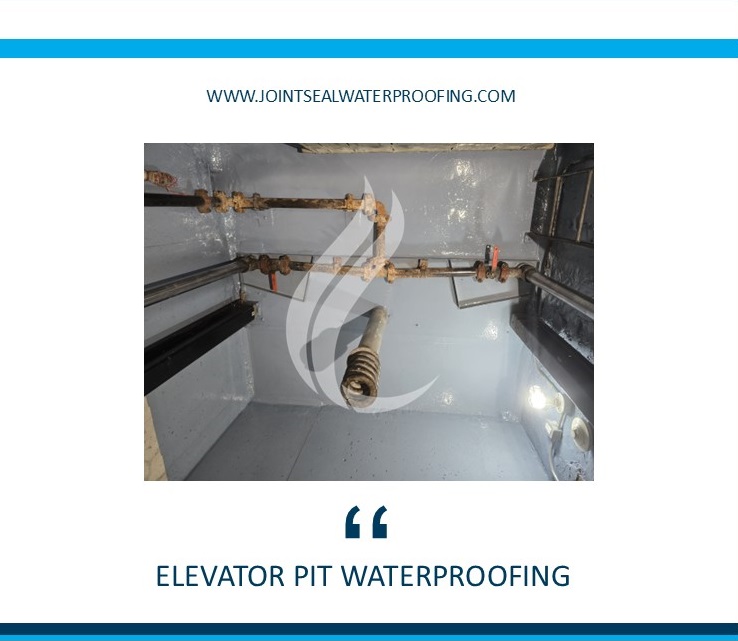
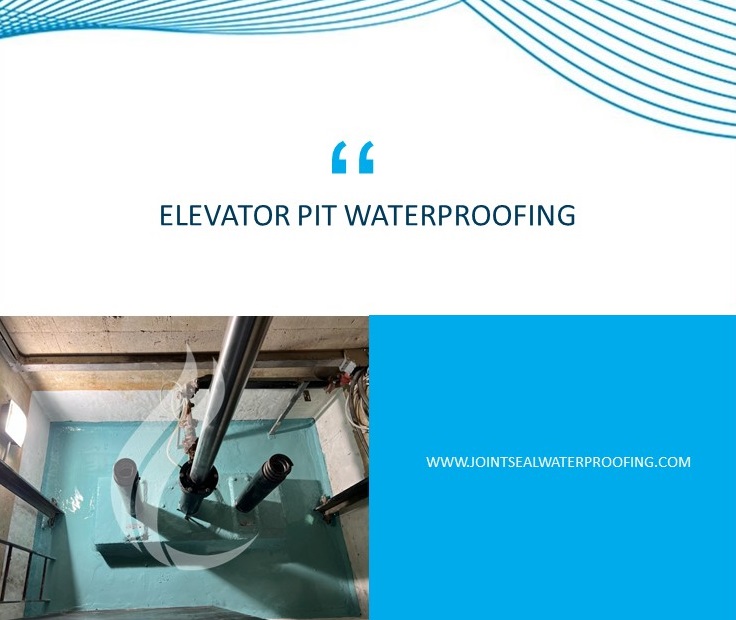
Elevator pit waterproofing is priced per pit, and the number is driven by four things: whether the drain needs work, whether the floor slope has to be rebuilt, whether water is actively running when we open it, and whether we can physically reach the floor-to-wall corner. Pit size barely features. A double pit runs about one and a half times a single, not double.
Nobody quotes a pit sight unseen, and a contractor who does is guessing at all four.
How pits are counted and priced
Elevator pits are measured in cars, or bays. One car is a single pit, two is a double, three is a triple, and pricing is per pit.
A double pit costs roughly one and a half times a single rather than twice, for two reasons. There is no dividing wall between the left and right car in a double, so there is less surface to waterproof than two separate pits would present. And once the crew, the equipment and the elevator company’s attendance are arranged, the second pit does not repeat that mobilisation.
On duration we aim for one day per pit. Single pit, one day. Double, two. Sometimes a job spills into an extra half day per bay.
Do both elevators go out of service?
No — and this is the question we are asked most about double pits. We shut down one car and work in that pit while the other continues running, then finish, release it, and shut down the second. At least one elevator is in operation the entire time.
That has a practical effect beyond convenience. Because the building keeps a working elevator throughout, resident notice is simple, there is no accessibility problem to solve, and the schedule is not gated on finding a window when the building can survive without a lift.
The four things that actually move the price
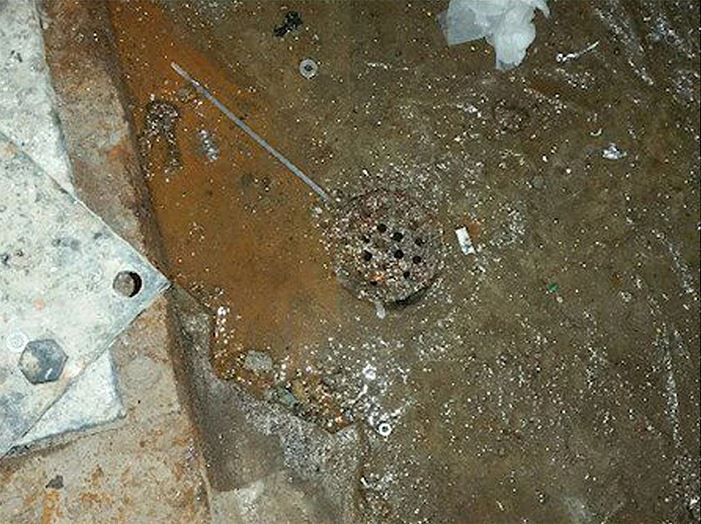
The drain. If the drain needs servicing, unclogging, camera inspection or a backflow preventer, that is a cost item. It is also usually the cheapest item on the list and the one most likely to be the actual cause.
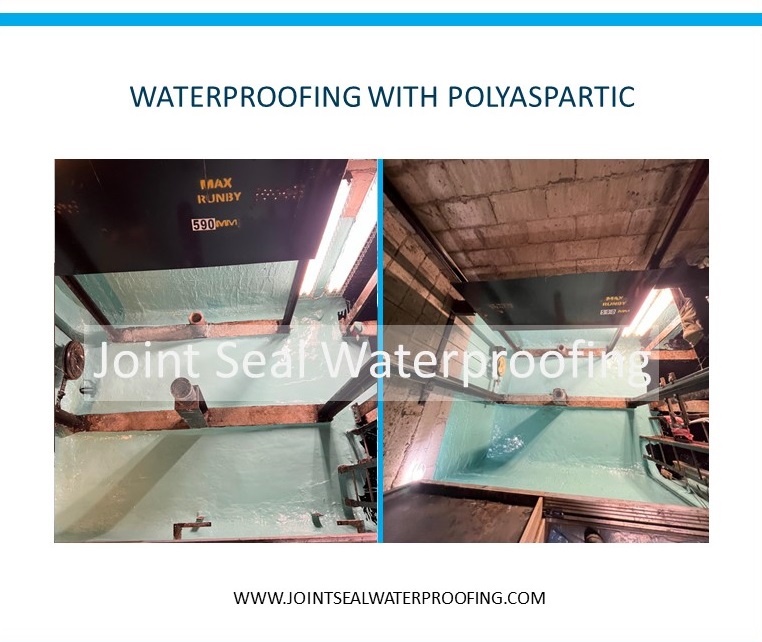
Floor slope. Correcting a floor that does not fall toward the drain is labour intensive. It means flooding the floor with Sika Level to get it flat, then building the fall back with Versa Speed on top. Two materials, two applications, and it takes time.
Active water. This is the big one. Water running out of a wall while you are trying to repair it washes the repair out, so the flow has to be stopped first with an injected material that plugs the crack for about four hours — and the permanent work has to be completed and cured inside that window. On a group of buildings in the Hamilton area we spent two full days doing nothing but stopping water before the wall repairs could start. Two days of crew time before any waterproofing went on.
Access to the cold joint. The floor-to-wall corner is the most important thing in the pit to waterproof, and sometimes pipework sits right against it. Where those pipes carry pressurised oil to the elevator equipment, moving them means depressurising the system and draining the oil, which is costly in itself. The alternative is working the joint a foot at a time with very small tools — a toothbrush approach — which is slow, expensive, and only worth doing when there is no other route.
One thing sits outside that list. Waterproofing the piston housing on a hydraulic elevator costs more than waterproofing the entire rest of the pit, and it is priced as its own item rather than folded in.
Does the season change the price?
Season makes almost no difference to elevator pit work, because pits sit deep enough underground that the temperature is stable year round. There is no winter premium and no summer window.
What changes is the water. Heavy rain and sudden snowmelt raise groundwater and push more of it against the shaft, so a pit can be dry in March and running in April. That affects which of the four drivers above applies on the day, not the calendar.
What has to happen before the crew arrives
Two coordination items, neither of which usually falls on the property manager.
The elevator maintenance company has to be there. Only the company listed as maintenance on that elevator — March, TK, whoever holds it — can open and close the shaft, and a representative is present the entire time anyone is inside the pit. We work with every elevator company operating in the GTA and normally coordinate directly with the technician, because direct communication keeps the job on schedule and takes the arranging off the property manager’s desk.
The sensors have to go into test mode. An elevator pit is full of sensors and a lot of them report to the building fire panel, so unless they are isolated first the fire trucks arrive. That is done by the elevator technician or the property manager.
Dust is the related issue and it is not cosmetic. An elevator shaft is a giant chimney. Grind a pit floor carelessly and half the building fills with dust, and the smoke sensors in the shaft react to it. We run HEPA dust extractors connected to every tool in use, so even floor grinding produces effectively no airborne dust — it is pulled out at the tool before it can rise.
The elevator company’s spec can also shape the work itself. At a new-build temple in Brampton sitting on saturated ground, the elevator company required the cold joint kept at a 90-degree angle rather than our standard 45-degree continuous patch, and the upturn went three feet up the wall instead of the usual one or two.
From a board saying yes, two weeks is realistic for both the elevator company and our crew to mobilise.
What a property manager should get in the quote
Ask for the cold joint detail, the upturn height, and what happens if there is running water.
A pit quote that goes straight to a membrane price without addressing the floor-to-wall cold joint is pricing the easy half of the job — that joint is where more than half of pits fail. Ask whether the floor slope is being corrected or ignored, ask whether the drain has been camera’d, and ask what the contingency is if grinding reveals oil deeper than expected.
And get the pit inspected before you get it quoted. A meaningful share of wet pits turn out to be a sump pump and a drain fitting, which is a few thousand dollars — against equipment damage that has cost one building a rejected $300,000 insurance claim.
Book a JSW inspection · More on elevator pit waterproofing and concrete surface repair
Common questions
Frequently asked questions
Do both elevators shut down when you waterproof a double pit?
No. We shut down one car and work in that pit while the other stays in service, then swap. At least one elevator is running at all times, which is why the building notice is straightforward and there is no accessibility problem to manage. It is the question we get asked most often about double pits.
How long does elevator pit waterproofing take?
We aim for one day per pit, so a single pit is a day and a double pit is two. Jobs sometimes spill into an extra half day per bay. The things that stretch it are active running water, floor slope correction, and blocked access at the floor-to-wall corner rather than the size of the pit itself.
Why is a double pit not twice the price of a single pit?
A double elevator pit runs about one and a half times a single, not double, for two reasons. There is no wall between the two cars, so there is less square footage to waterproof than two separate pits would have. And once the crew and equipment are mobilised and access is arranged, the second pit does not repeat that setup cost.
Do the fire alarm sensors need to be dealt with?
Elevator pits are full of sensors and many are tied into the building fire panel, so they have to be put into test mode before work starts or the fire department gets called. That is done by the elevator technician or the property manager, not by us. We also run HEPA dust extraction connected to every tool, because a shaft acts as a chimney.
How soon can the work start once the board approves it?
In practice, about two weeks from a board decision to both the elevator company and our crew being mobilised. Because no elevator goes fully out of service, resident notice is simple and does not gate the schedule. We normally coordinate directly with the elevator technician rather than putting that on the property manager.
Related services & repair types