
For Property Managers · Toronto & GTA
Commercial Concrete Repair & Waterproofing
Joint Seal is a Toronto concrete repair and waterproofing contractor working on commercial, high-rise and industrial buildings. This page answers what a property manager or consulting engineer needs before shortlisting: the full range we carry on a garage, a balcony and everything in between, how work is sequenced around an occupied building, and what our quotes are built from.
- Full Concrete Scope
- Free Site Assessment
- Occupied Buildings
- Staged Over Budget Years
- Negative-Side Repair
- MTO-Rated Materials
One Contractor for the Whole Concrete Scope
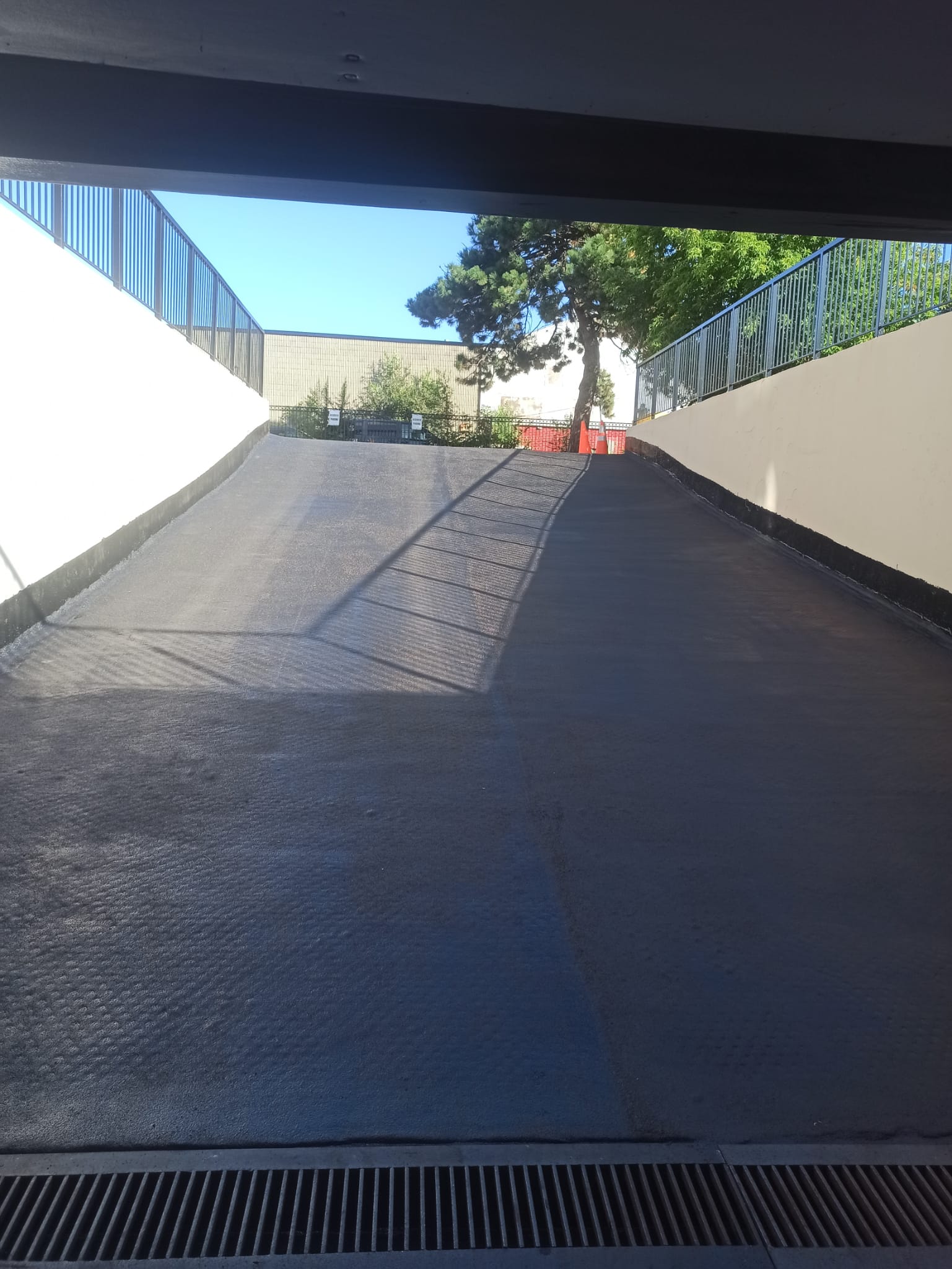
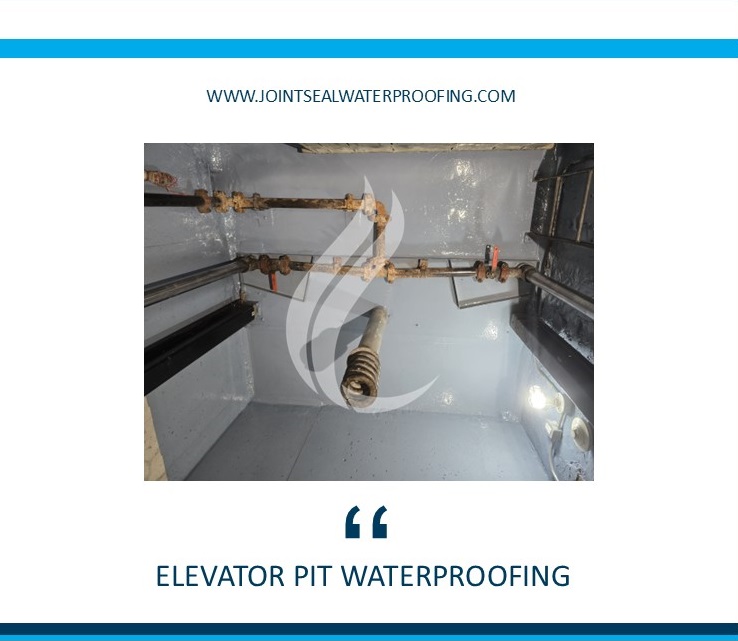
In a parking garage we carry the whole deck: expansion joint injection, slab and topping repair, ledge beams and columns, ramps and mastic transitions, wall and ceiling cracks, drain and trench surrounds, the elevator pits and mechanical rooms off it, and the traffic coating over the top. One contractor sequencing the programme, rather than four trades staging around each other.
Balconies run the same way — slope reversal so water leaves the slab instead of standing on it, soffit and ceiling spalling, edge and guardrail post repairs, crack repair and waterproofing membranes — and it carries on out to the stairs, sidewalks and podium decks at grade.
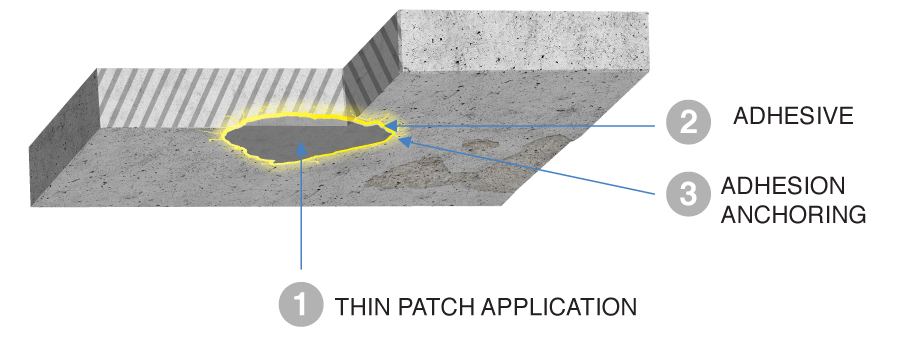
Everywhere else is the same trade under different conditions: flat roofs, pools, utility, mechanical and compactor rooms, plant floors, manholes and catch basins. Cold joints, pipe and cable penetrations, patching as thin as 5 mm, membranes and floor coatings.
Concrete repair, restoration and waterproofing is all we do, and we do the whole of it. Where a project is part restoration and part building trades, we price our portion and name the lines that are not ours rather than carrying items we cannot stand behind.
Working Around an Occupied Building
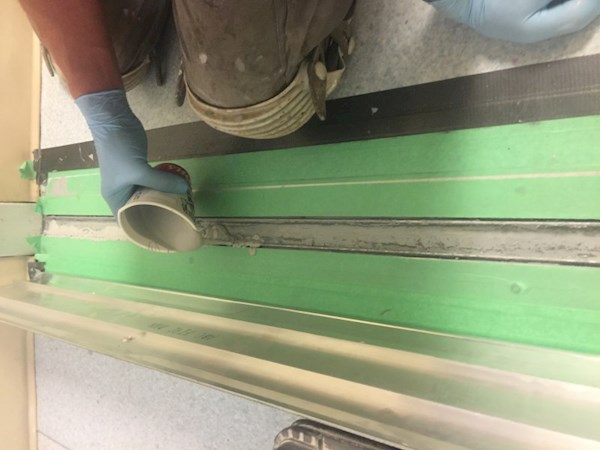
Nothing we do requires a building to empty out. Elevator pit work is done one car at a time, so at least one elevator stays in service throughout. A 20-foot garage expansion joint span needs roughly ten parking spots vacated for about two days; the garage itself does not close and traffic keeps moving through it.
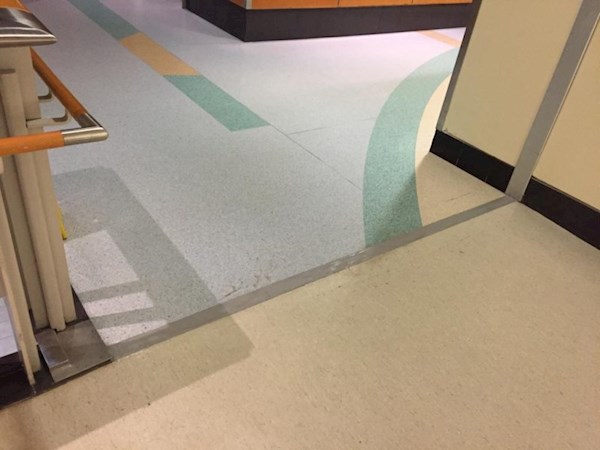
Most repaired areas are back in use within 24 hours, because our adhesives and polymer cements cure in hours rather than the days conventional concrete needs. Materials are low-VOC, so work can run off-hours in occupied corridors, lobbies and mechanical rooms without odour becoming the reason a resident calls the office.
How a Quote Happens
We attend the site. We look at the component that is leaking, the condition of the concrete around it, what sits above and below it, and where the water is travelling from, which is rarely directly above the stain. Assessments and quotes are free.
What comes back is a scope tied to physical work: how many joint spans, how many square feet, which materials, in which sequence. That is the format an engineer can set against a competing bid, and the format a board can carry into a reserve fund discussion without translating it first.
Our Repair Methods
What to Compare Before You Shortlist
Four things separate two waterproofing proposals on the same building. None of them is the number at the bottom of the page.
Ask What Physical Work Each Price Buys
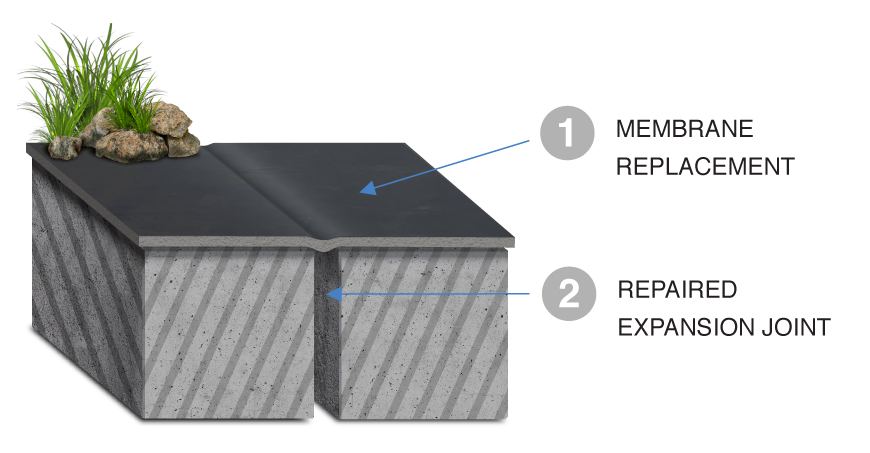
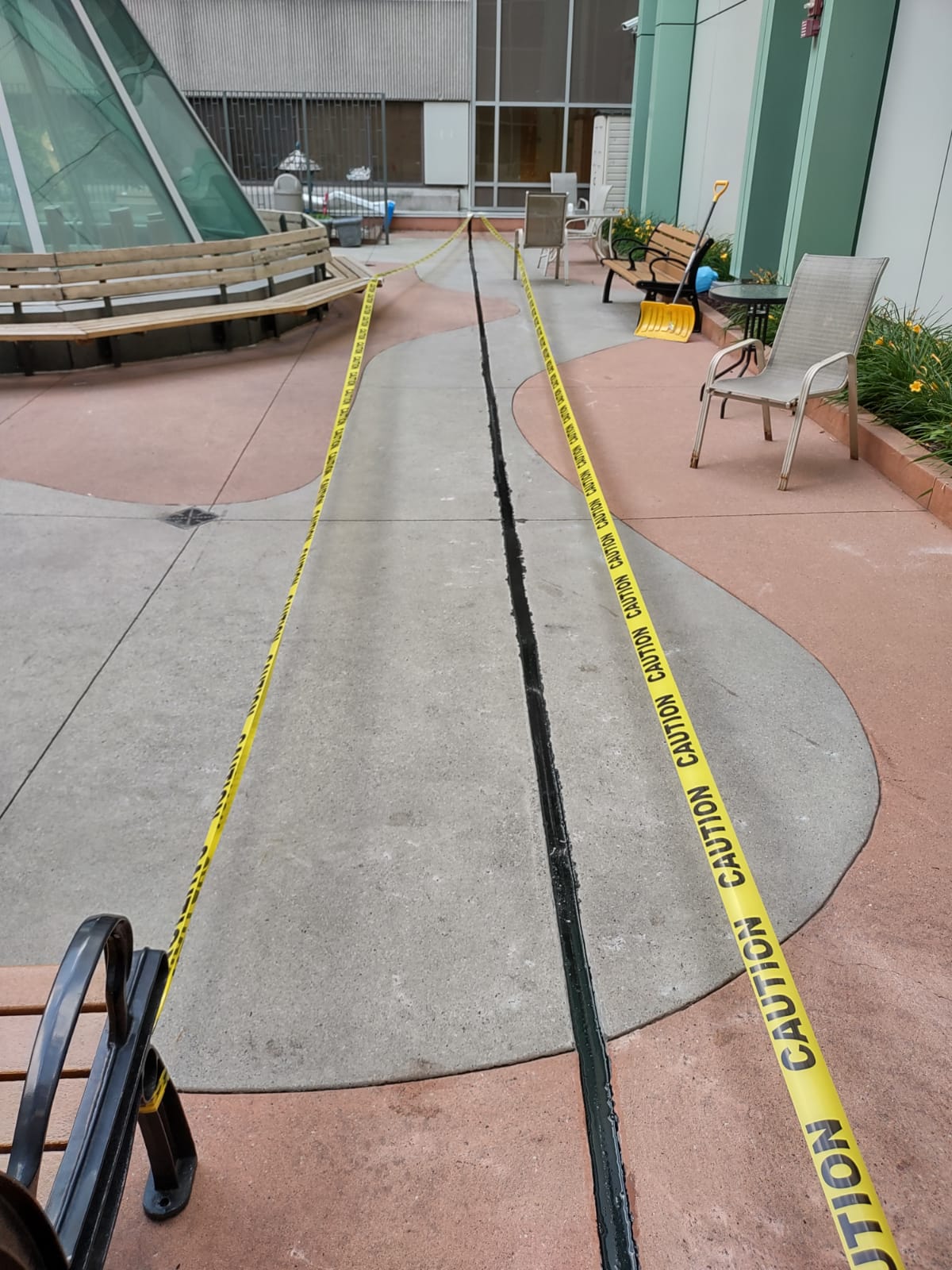
On garage expansion joints the gap between two quotes is almost always excavation. A top-side repair includes removing whatever sits on the deck, stripping the membrane and restoring the surface — roughly 70 percent of the cost, and none of it waterproofing. On one GTA condominium a $500,000 injection proposal and a $4 million excavation proposal addressed the same joints.
A single 20-foot expansion joint span repaired by negative-side injection runs roughly six to ten thousand dollars in the GTA. Much larger figures usually cover many spans across a large section of structure, so the first question to put to any joint proposal is how many spans it actually includes.
Check How the Programme Stages
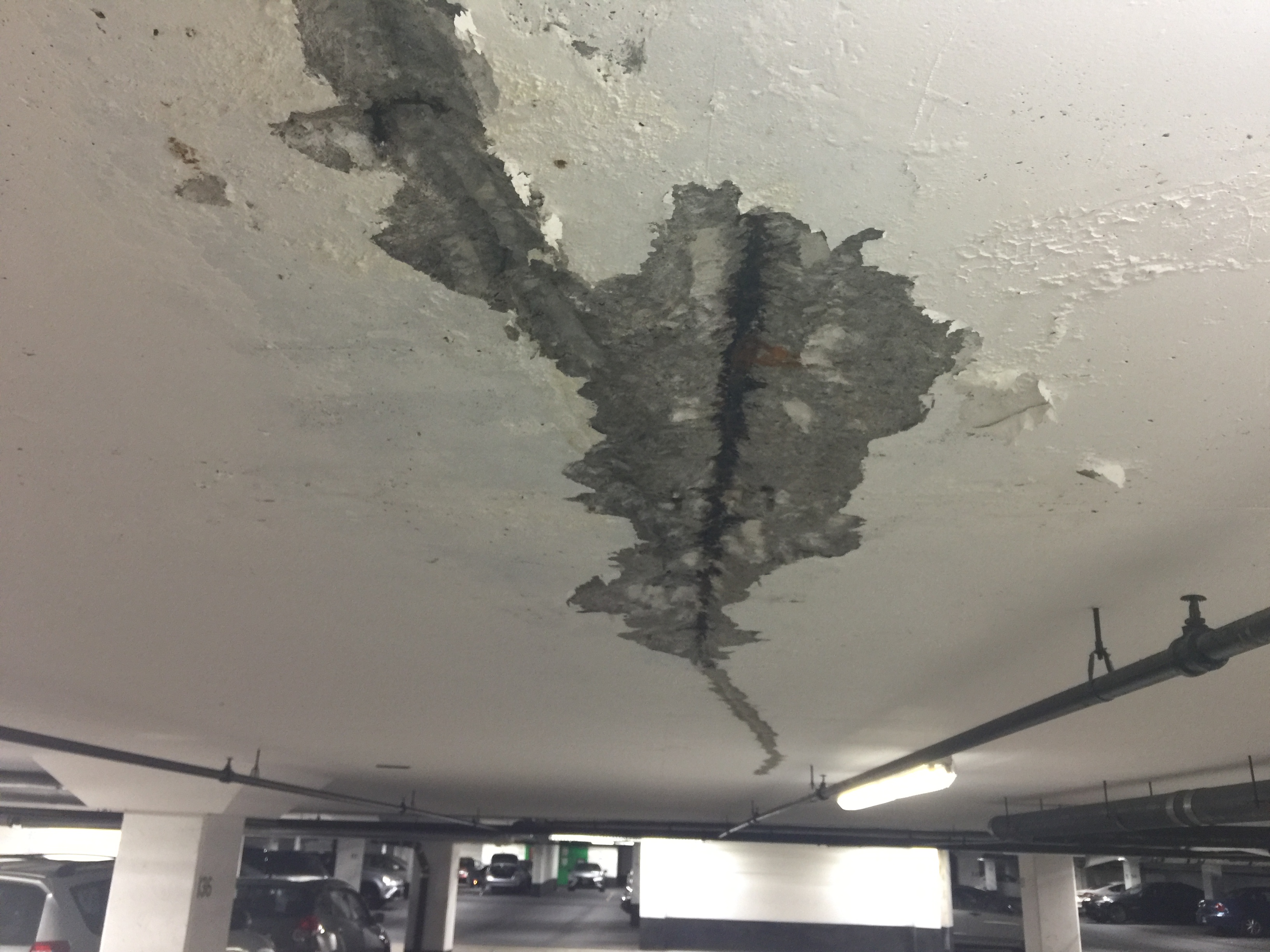
Each expansion joint is a separate 20-foot span, so a garage joint programme can be split across budget years — the worst joints this year, the rest later — with none of the first year's work wasted.
A top-side excavation does not stage the same way. The deck is opened once and has to be closed back up, which is why that scope tends to arrive as a single large line in one budget year rather than a sequence a reserve fund can absorb.
Read the Material Rating, Not the Marketing
Our materials are rated to Ministry of Transportation Ontario standards for a service life of about 25 years. That figure is a material service-life rating, not a warranty term, and the two are not interchangeable.
What decides service life on site is the substrate. Sound concrete under a correctly bonded membrane outlasts the same membrane over a delaminated slab, which is why sounding and assessing the concrete before pricing matters more than any product sheet.
Confirm Who Is Actually on Site
We are a self-managed contractor working with our own crews, so the people who assess and price a job are the people who carry it out, and a property manager has one point of contact for the duration. Over six years we have serviced more than 350 high-rise locations in Toronto alone.
Waterproofing itself does not require an engineering stamp, because sealing a joint is not structural work. Boards commonly bring in an independent consulting engineer on larger programmes to validate the installation, and we are used to working to that review.
Common questions
Frequently asked questions
What does Joint Seal cover in a parking garage?
The whole deck — expansion joint injection, slab and topping repair, ledge beams and columns, ramps and mastic transitions, wall and ceiling cracks, drain surrounds, the elevator pits and mechanical rooms off the garage, and the traffic coating over the top.
Is Joint Seal a general contractor?
No. Concrete repair, restoration and waterproofing is the whole of what we do, and we carry that scope from assessment through to the finished surface. Where a project mixes restoration with building trades, we price our portion and identify the lines that are not ours.
How much does it cost to repair one parking garage expansion joint?
A single 20-foot expansion joint span repaired by negative-side injection runs in the range of six to ten thousand dollars in the GTA. Much larger figures quoted for garage joint work usually cover many joints across a large section of the structure, so it is worth asking how many spans a proposal actually includes before comparing two numbers.
Why would one garage repair quote be eight times another?
On expansion joints the gap is almost always excavation. A top-side repair includes removing everything on the deck, stripping the membrane, and restoring the surface — roughly 70 percent of the cost. Negative-side injection works from inside the garage and skips all of it. It is a scope difference, not a quality difference.
Should a board be suspicious of a much cheaper waterproofing proposal?
A board should ask what physical work each price buys, not assume the lower number is thinner. On one GTA condo, a $500,000 injection proposal and a $4 million excavation proposal addressed the same joints with comparable success rates. The cheaper approach simply did not include digging up and rebuilding the deck.
Can expansion joint injection be done in stages across budget years?
Yes, and this is one of its advantages for a reserve fund. Each joint is a separate 20-foot span, so a building can address the worst joints this year and others later. A top-side excavation does not stage the same way — the deck is opened once and has to be closed back up.
Does an expansion joint repair require an engineer in Ontario?
Waterproofing does not require an engineering stamp, because sealing a joint is not a structural repair and does not determine whether the structure stands. An independent engineer is still worth having on larger projects to validate the installation, and boards commonly involve one above roughly fifty thousand dollars.
Putting a waterproofing scope out to tender?
We attend the site, assess the components and quote against physical work — joint spans, square feet, materials and sequence. Assessments and quotes are free.