Project & Insights
Water in my elevator pit — how serious is it?
August 17, 2026
By Boris Gopka, Owner, JSW Waterproofing — elevator pit waterproofing across Toronto and the GTA
A wet elevator pit is serious for three reasons that have nothing to do with the concrete: it rusts the elevator equipment, it can get the elevator condemned, and if it has been reported and ignored, it can cost you an insurance claim. The pit itself is rarely the expensive part. What sits in it is.
What does water actually do to elevator equipment?
Water in an elevator pit corrodes the elevator equipment sitting in it, and that equipment is far more expensive than the waterproofing. Elevator components live at the bottom of the shaft by design, so pit water depth translates directly into how much of the machinery is standing in it. Rust does not stop when the pit dries out. It keeps going.
The repair path is usually replacement or heavy servicing, and it is not a small number.
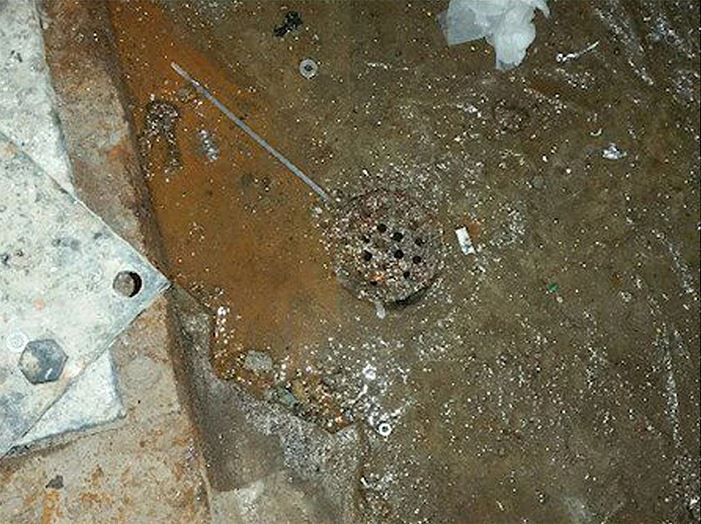
Water also hides how much of it there is. On a high-rise pit in Mississauga the pit looked merely damp when we arrived — then the crew chipped open the cold joint and water came gushing out, moisture that had been building behind the corner for years.
Can the TSSA condemn an elevator over water in the pit?
The TSSA — Ontario’s Technical Standards and Safety Authority — can condemn elevator equipment over a wet pit, and it does not have to find the pit flooded on the day of the inspection. Water leaves a mark. A pit that has previously filled to half a foot or a foot carries staining on the walls at that height, and that staining is the evidence.
So a pit that looks merely damp when you walk in can still fail. The inspector is reading history off the wall.
The part property managers often miss is why the elevator maintenance company suddenly gets firm about it. The elevator company answers to the same TSSA. Their licence depends on inspecting and condemning the way the regulations require, so they cannot quietly overlook a flooded pit even when they would like to keep a customer happy. When your elevator contractor starts pushing, that is usually why.
What happens if a wet elevator pit is just left?
Water in an elevator pit gets worse on its own, because flowing water carves voids in and around the structure and a bigger void carries more water. The problem compounds, and it compounds in a place nobody looks at until something stops working.
There is also a misconception worth clearing up, because it makes some boards panic and others complacent. If the pit walls fail, the elevator shaft above does not come down. The shaft is a stack of independent rings that do not bear on each other — you could knock out the bottom of the pit entirely and the shaft above would still be standing.
That is the good news and it is narrower than it sounds. The elevator cannot run without a sound pit. So what a collapsed pit actually costs you is the elevator, out of service either permanently or until somebody rebuilds and waterproofs the base of the shaft well enough to reinstall it.
Can flooding void an insurance claim?
Flooding in an elevator pit can void an insurance claim if the building knew about it and did nothing, and we have seen it happen. A building took $300,000 in elevator equipment damage from a flooded pit and put it to their insurer. The insurer investigated, found the building had been told several times that it had a flooding problem, and concluded the flooding was not an unforeseen event but the result of negligence.
The claim was rejected. The $300,000 came out of the owners’ pockets and pushed their maintenance costs up for years.
That is the argument to take to a board, and it is a stronger one than anything about concrete. A documented, repeatedly reported leak stops being an accident the moment somebody writes it down. Once that paper trail exists, doing nothing is the expensive option.
Why the fix is usually cheaper than people assume
The reason for an elevator pit filling with water is often inexpensive to correct, which is the part that makes the insurance story so frustrating. A pit taking water because the sump pit backs up into it through the drain does not need a waterproofing project — it needs a backflow preventer and a working sump pump. That is a few thousand dollars against hundreds of thousands in pit repairs and equipment damage.
Not every pit is that easy. But nobody knows which one they have until somebody looks, and the cost of looking is small. The seven ways water gets into an elevator pit range from a clogged drain to a void around the piston housing, and they do not cost remotely the same to fix.
How do you know it was actually fixed?
You know elevator pit waterproofing worked because the pit stays dry, and we make that easy to check rather than something you have to take on trust. Three things come with the work: a completion report setting out what was installed, a warranty on the pit, and a finish designed to expose its own defects.
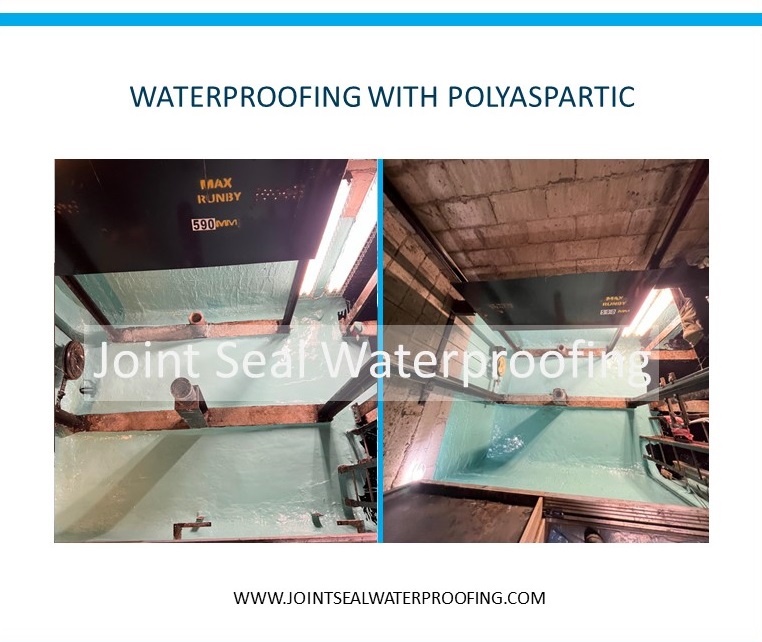
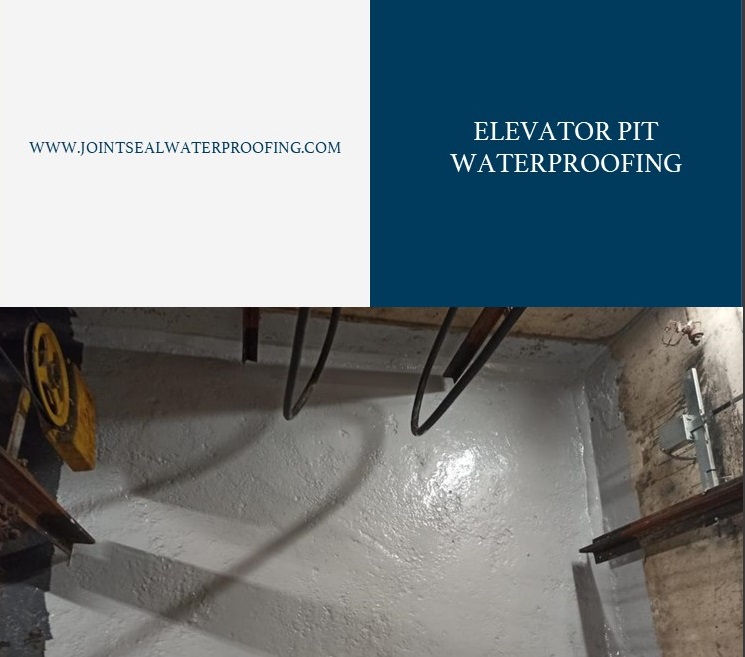
We coat the pit floor turquoise and the walls white. Both colours are deliberate. Nothing else in an elevator pit is turquoise — no stain, no oil, no efflorescence — so anything appearing on that floor is visible immediately, and it photographs like a green screen, which makes cracks and seepage obvious in inspection pictures. White walls do the same job for water tracking down from above.
A pit finished in grey hides its own failures. That is the point of not finishing them in grey.
What should a property manager do about it?
If your pit has standing water, or staining showing it has flooded before, write down the date you first knew and then get it inspected.
The written record cuts both ways, and that is exactly why it is worth starting now: it is the thing an insurer will look for, and the thing that turns an ignored leak into negligence. Get someone in the pit, find which of the seven paths the water is using, and price the fix. In a good number of buildings it is a pump and a drain fitting.
Book a JSW inspection · More on elevator pit waterproofing and concrete surface repair
Common questions
Frequently asked questions
Can the TSSA shut down an elevator because of water in the pit?
The TSSA can condemn elevator equipment over water in the pit, and it does not need to catch the pit flooded to do it. Staining on the pit walls showing water has previously reached half a foot to a foot is enough evidence of a history. The equipment usually stays out of service until the pit is waterproofed, and sometimes until the equipment itself is serviced or replaced.
Will our insurance cover elevator equipment damaged by pit flooding?
Insurance may refuse a flooded-elevator claim if the building was warned about the flooding and did nothing. We know of a building that lost a $300,000 claim exactly that way — the insurer found the flooding had been reported repeatedly, ruled it foreseeable rather than sudden, and denied it as negligence. The owners paid it through their maintenance fees.
How can a property manager tell the pit waterproofing was done properly?
Ask for a completion report listing what was installed, confirm the pit carries a warranty, and then look at the pit. We finish pits with a turquoise floor and white walls specifically so defects cannot hide — any new crack, stain or seepage shows immediately against those colours, and the turquoise photographs like a green screen because nothing else in a pit is that colour.
How long should elevator pit waterproofing last?
Properly installed elevator pit waterproofing generally holds around the ten-year mark, and we have had installations run well past five years even on pits where the walls were in poor condition to begin with. The variable is the substrate, not the coating — a pit with sound concrete lasts longer than one where the walls were already frail when we arrived.
Is a wet elevator pit the elevator company's responsibility or ours?
The pit structure is the building's responsibility, not the elevator maintenance company's. Inside the pit the practical split is straightforward: anything made of metal belongs to the elevator company, anything made of concrete belongs to the waterproofing contractor. The sump pit is a plumber's item, and it is usually accessed from a separate room entirely.
Related services & repair types