
Cold Joints · Toronto & GTA
Cold Joint Repair & Waterproofing
A cold joint is the seam where fresh concrete was poured against concrete that had already begun to set, so the two never fully bonded. It is a water path built into the structure from day one — and it does not get fixed by sealing the surface.
- Floor-to-Wall Seams
- Elevator Pits
- Below-Grade Walls
- Under Pipes
- Balcony Slab Lines
- Injection & Membrane
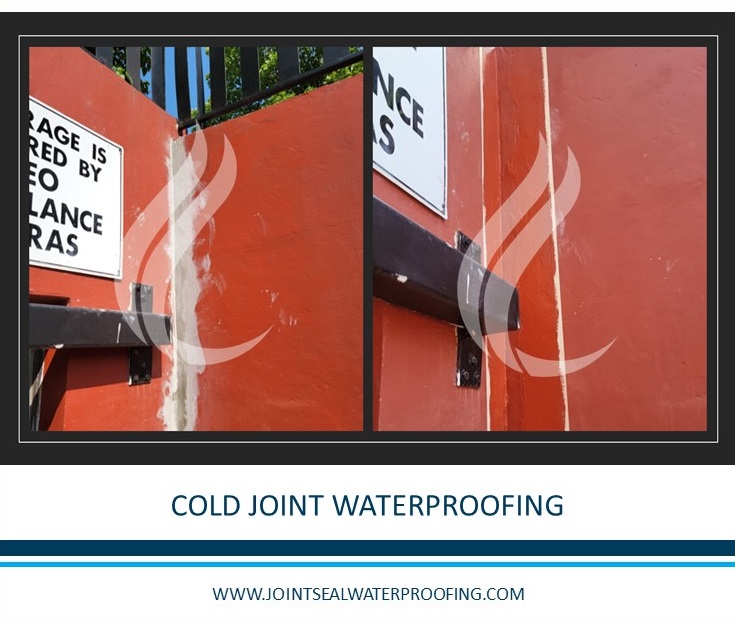
Where Cold Joints Are in a High-Rise
Anywhere a pour stopped and restarted. The floor-to-wall seam in a parking garage runs the full perimeter of the level. The balcony slab meets the interior wall on the same line. Walls poured in lifts carry a seam through their own thickness.
Elevator pits are where most property managers first hear the term, because a pit sits below the water table and the consequences are immediate. The same seam is running through the garage and along the balcony line of the same building, quietly.
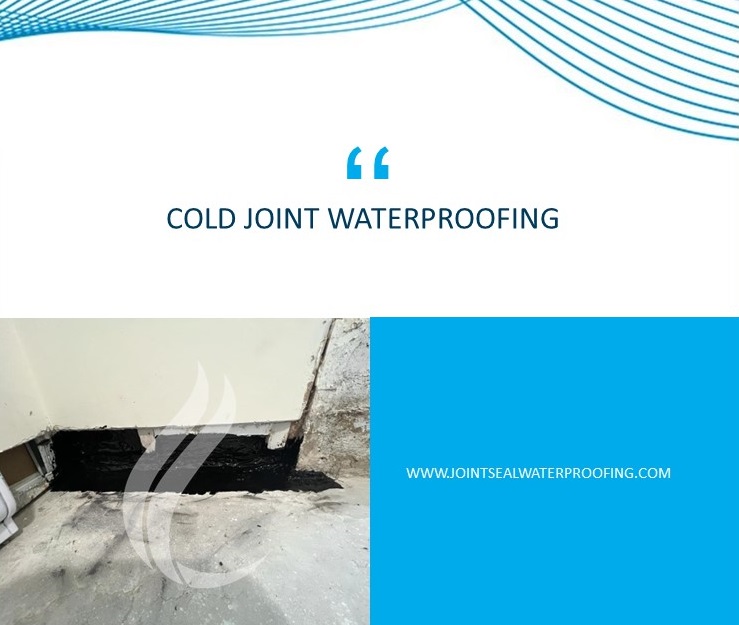
Why a Cold Joint Leaks When the Concrete Is Sound
Nothing has to fail for a cold joint to leak. The bond across that seam was never as strong as the concrete either side of it, so it is the path of least resistance for water under pressure. It was the weakest line in the pour from the beginning.
Add hydrostatic pressure against a below-grade wall, freeze-thaw cycling and road salt, and the seam opens further. Water that shows up on a garage wall well away from any visible crack has very often travelled along a cold joint to get there.
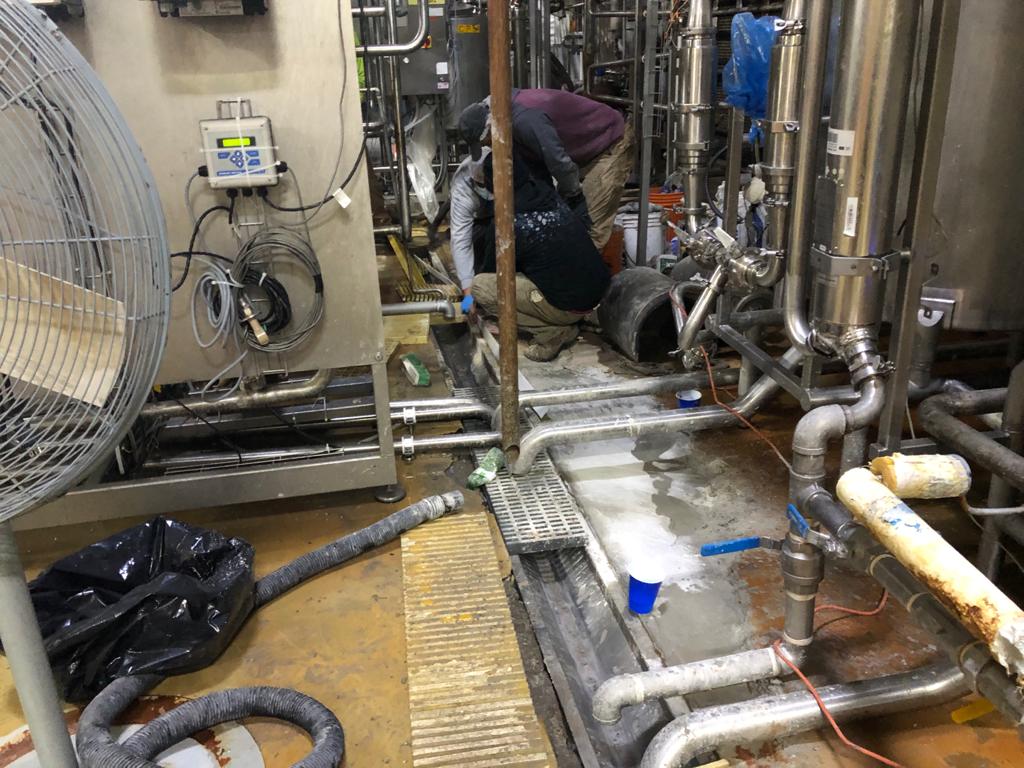
Cold Joints Under Pipes and Behind Equipment
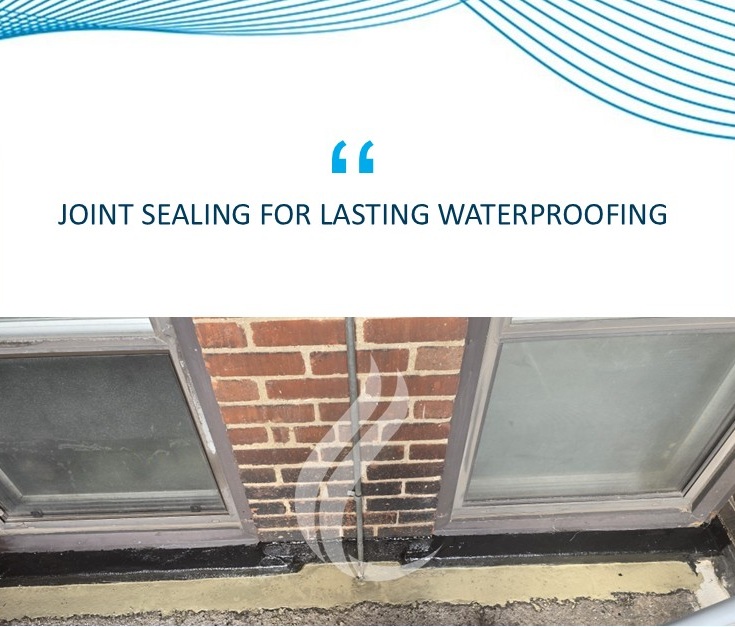
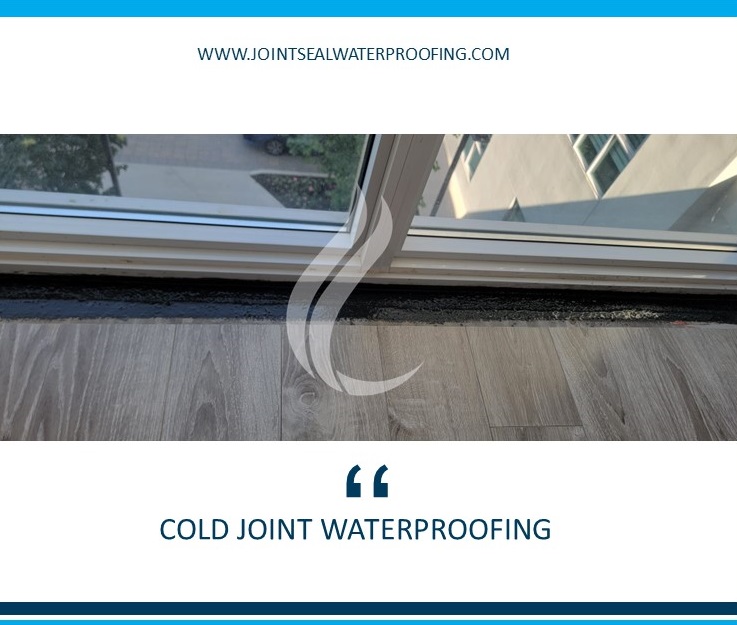
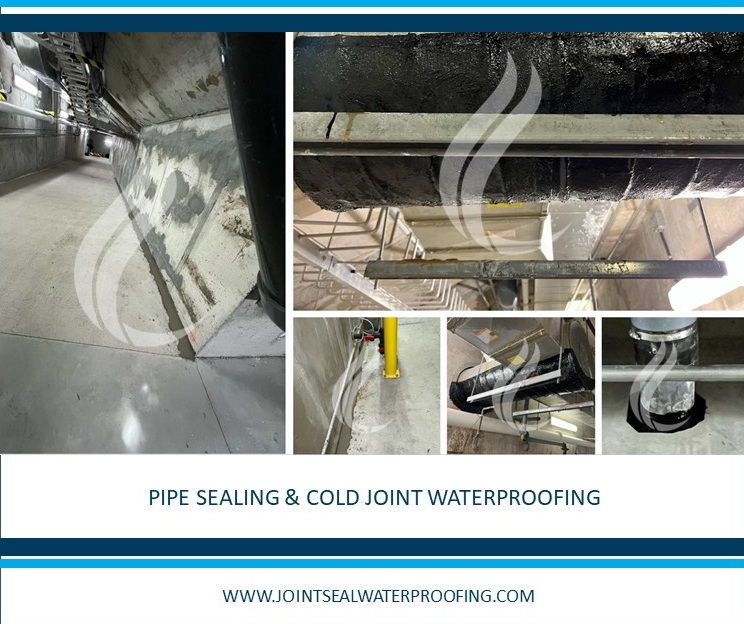
The hardest cold joints to repair are the ones nobody can reach — running underneath pipe banks, behind mechanical equipment, or beneath window sills where the seam meets an opening.
These are the sections most contractors skip, and they are exactly where the leak reappears. We repair the joint through and under the obstruction rather than stopping short of it and returning the following year.
Our Repair Methods
How a Cold Joint Is Repaired
The seam runs through the thickness of the concrete, so the repair has to go into it and then carry past it on both sides. Surface sealing does not reach the water path.
Cut Into the Joint
The seam is cut open at a 45-degree angle, wide enough to take material and to expose sound concrete on both faces. Loose and unsound material is removed until there is something solid to bond to.
Inject and Bond
The opened joint is injected and coated with industrial-strength adhesive, which produces monolithic adhesion across the seam rather than a filler sitting inside it.
This is the step that makes the repair part of the structure. Where water is actively running, a quick-set hydraulic cement is used first so the repair holds instead of washing out while it cures.
Reinforce Across the Seam
Fibreglass reinforcement is embedded across the repaired joint — roughly one foot onto the floor and one foot up the wall — so the assembly spans the seam instead of ending at it.
Carrying the reinforcement well past the joint on both sides is what stops the repair from simply reopening along the same line.
Membrane and Finish
A cold-applied waterproofing membrane goes over the reinforced joint and out onto the adjacent surfaces, then the area is finished to match the surrounding floor or wall.
The finished repair is a bonded, reinforced, waterproofed assembly — which is why it holds under hydrostatic pressure rather than leaking again the next spring.
Common questions
Frequently asked questions
What is a cold joint?
The seam where fresh concrete was poured against concrete that had already started to set, so the two pours never fully bonded together.
Why does my cold joint leak when the concrete around it looks fine?
The bond across the seam was always weaker than the concrete either side, so water under pressure takes that path. Nothing has to fail first.
Can a cold joint be sealed from the surface?
No. The seam runs through the thickness of the concrete, so a surface seal leaves the water path intact underneath it.
Do you have to dig up the slab to repair a cold joint?
In most cases no. The joint is cut open, injected and rebuilt from the accessible side.
Where are cold joints usually found in a condominium?
The garage floor-to-wall perimeter, elevator pits, balcony slab-to-wall lines, and within walls poured in lifts.
How long does a cold joint repair last?
Our materials are tested to MTO standards to last 25 years, and the repair is reinforced across the seam rather than stopping at it.
Water coming through a cold joint?
We cut into the seam, inject it, reinforce across it and membrane over it — including the sections under pipes and behind equipment that usually get skipped.