Industrial Facilities · Toronto & GTA
Industrial & Food-Processing Facility Repair
Plant floors fail differently from condominium floors. Hot water washes, cleaning chemicals, forklift traffic and shift schedules that will not stop for a contractor. We repair and coat production floors in stages that fit around the line running.
- Food-Processing Floors
- Antibacterial Coatings
- Loading & Truck Areas
- Trench Drains
- Thin Patch Repair
- Phased Shutdowns
Where We Work in a Plant
Production and packaging floors, cold rooms, wash-down areas, loading docks and truck delivery aprons, compressor and mechanical rooms, plant stairs and ramps, curbs and trench drains.
At a food-processing plant in Etobicoke we have carried out repairs since December 2021 as a repeat client — crack repair, patching and full coating applications, each staged so the facility kept operating.
Deferred Maintenance and Phased Work
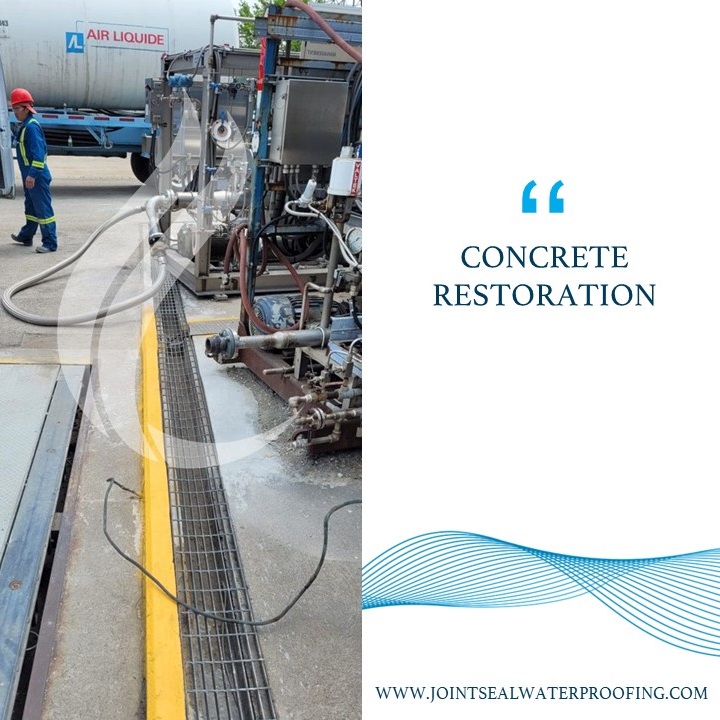
Plants that changed hands or ran lean on maintenance tend to present a long list at once. At a gas-production plant in Hamilton, years of deferred upkeep left concrete surfaces across the site needing repair and waterproofing.
That work was divided into phases with the most urgent items first — starting at the truck delivery area, where an uneven surface and broken-off curb had created a tripping hazard for drivers, and clearing the trench drain while the floor was open.
Hygiene, Chemicals and Wash-Down
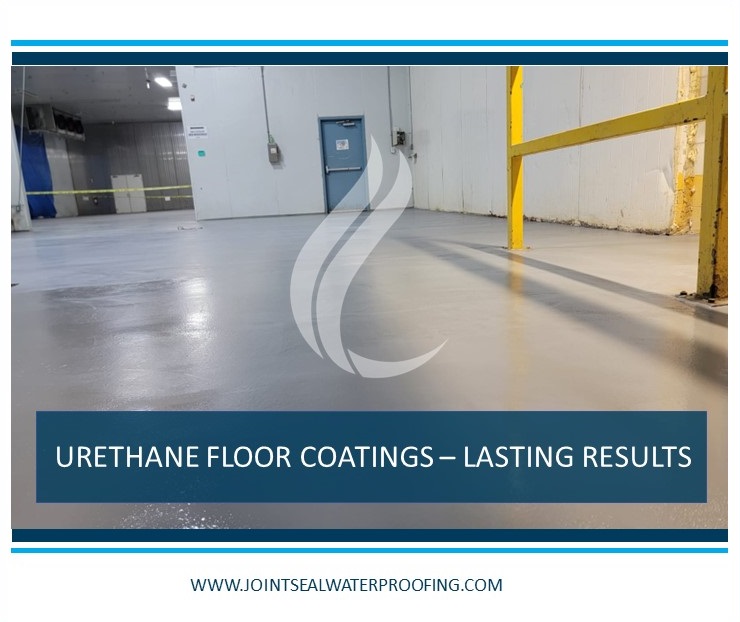
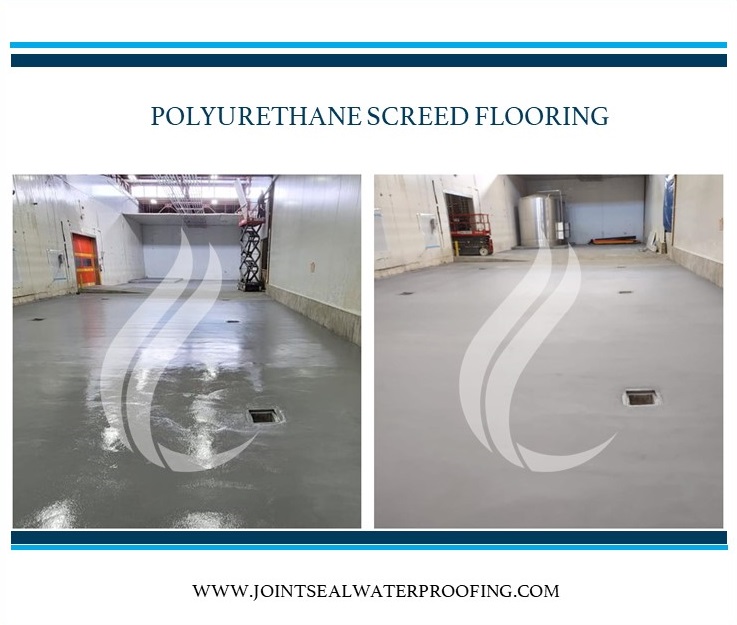
Food-processing floors take hot water washes, harsh cleaning agents and constant equipment traffic. Antibacterial cementitious urethane handles all three and resists bacterial growth in the surface itself.
Non-slip aggregate is broadcast into the first coat and encapsulated by the second, which produces real grip on a floor that is wet for much of the shift rather than a film that gets slick.
Our Repair Methods
Industrial Floor Repair & Coating
The same four stages every time, sized to the shutdown window the plant can give us.
Crack Repair
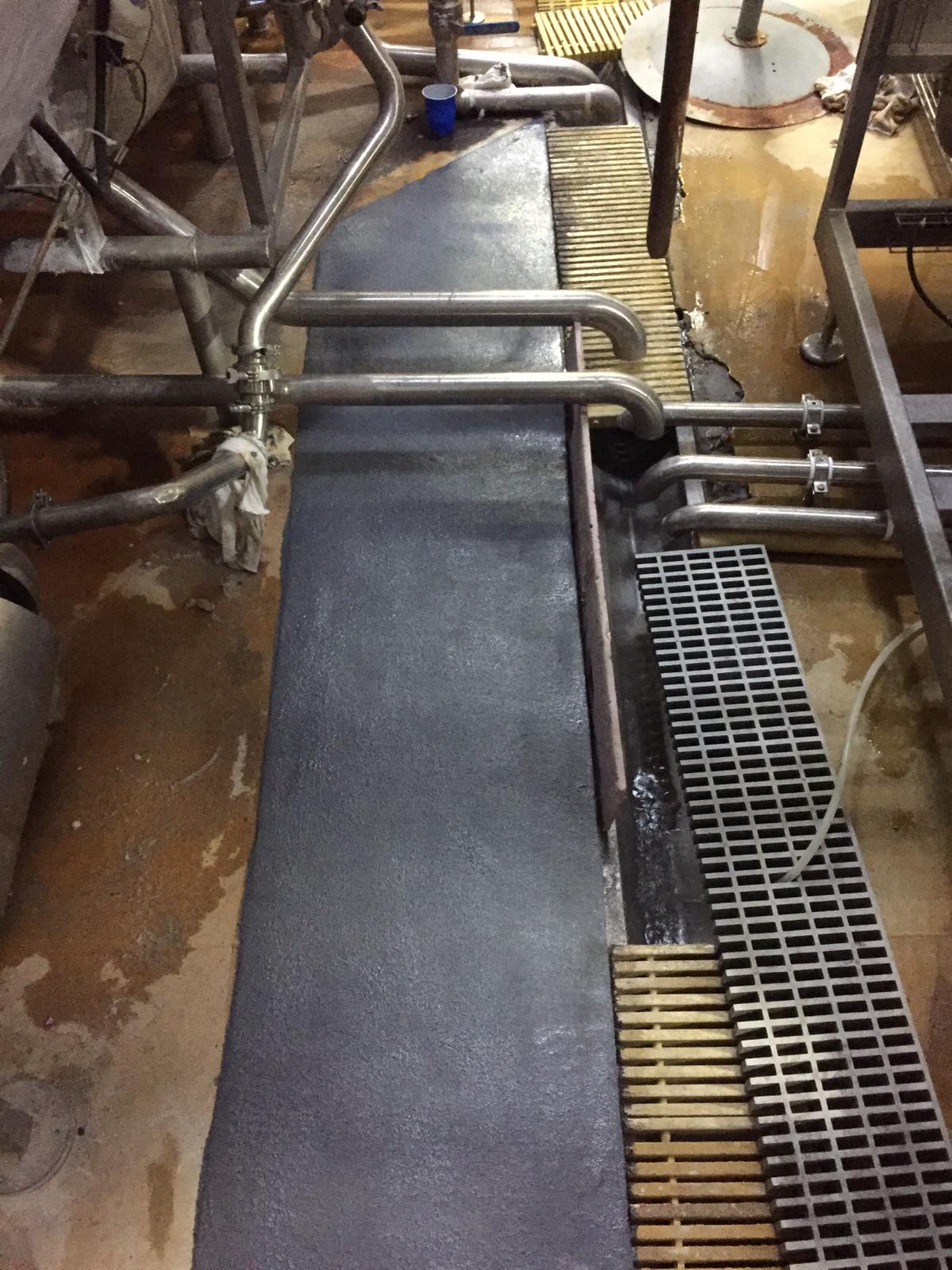
Cracks are opened to remove loose or compromised material, coated with industrial-strength adhesive and filled with a specialised crack filler.
Our materials produce monolithic adhesion — 1.95 MPa — which fully fuses the two sides of the crack. Even wet concrete surfaces can be restored.
Thin Patch Concrete Repair
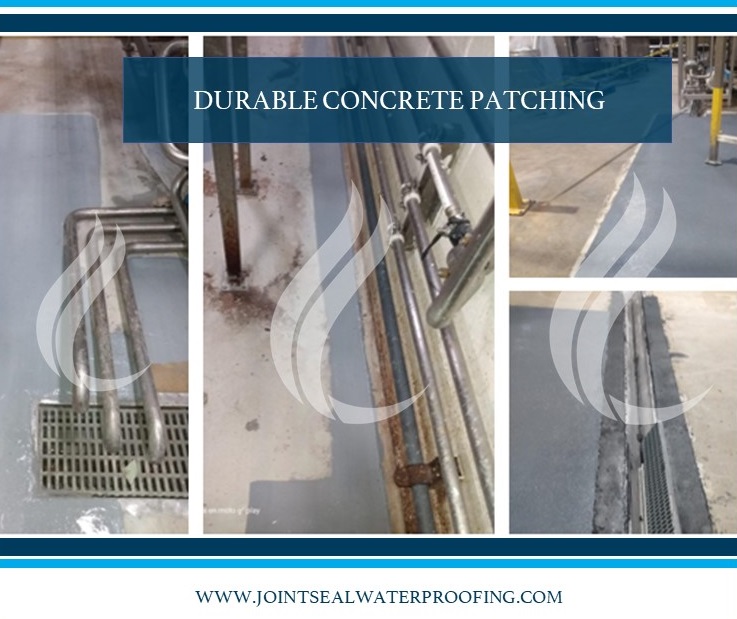
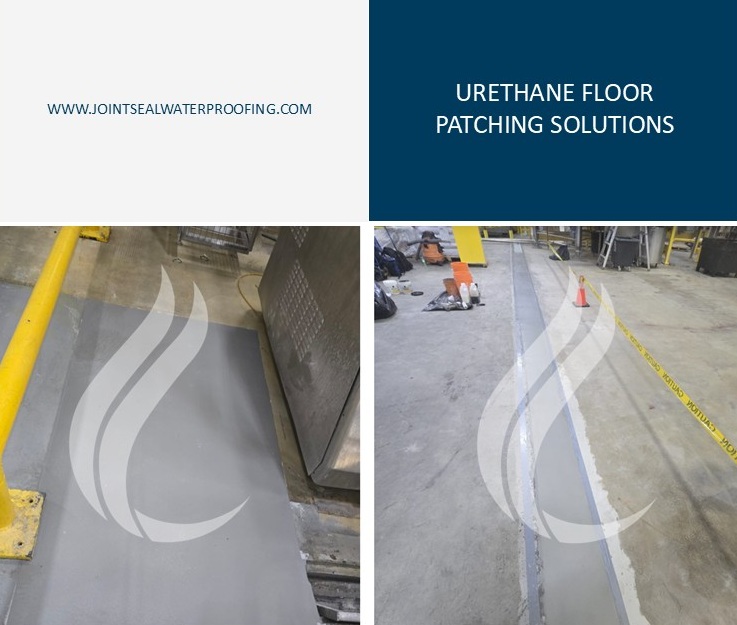
Traditional patching requires a minimum two-inch demolition. Our adhesives and polymer cement allow patches as thin as 5 mm, so a worn production floor is levelled without breaking out and recasting the slab.
Three steps: remove unsound concrete, apply adhesive, install the patch. The result is monolithic and carries the original load.
Coating Application
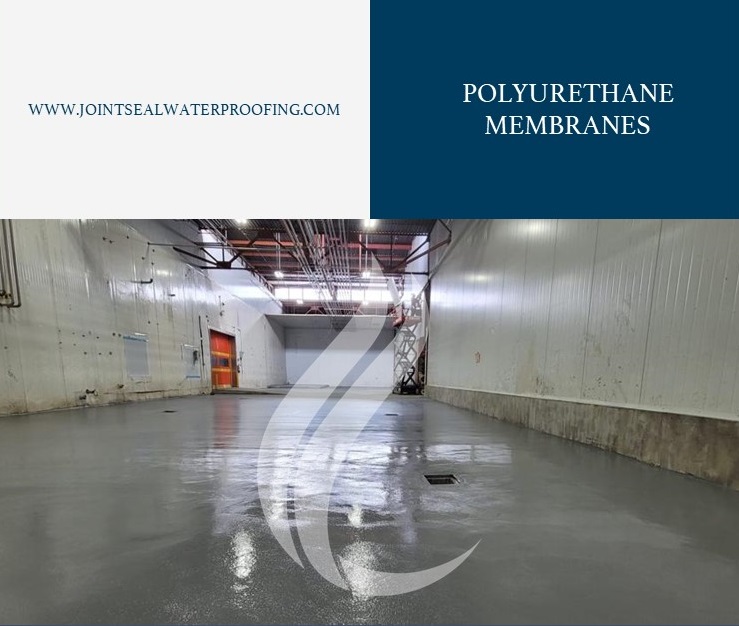
The floor is ground to expose clean concrete, then the first layer of coating is applied and non-slip aggregate broadcast into it. A second layer encapsulates the aggregate.
System choice follows the room — antibacterial cementitious urethane on food-contact floors, polyurethane or polyaspartic in mechanical and compressor rooms, urethane topping on exterior aprons and ramps.
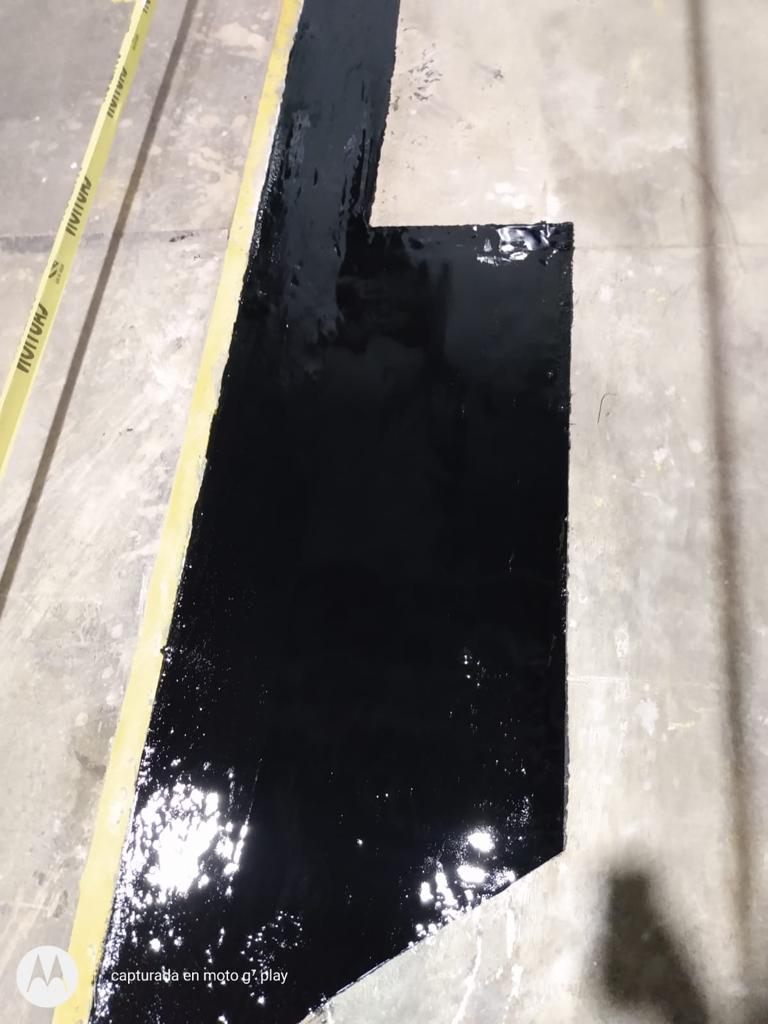
Curbs, Drains and Transitions
Curbs get rebuilt, trench drain edges restored and floor-to-wall transitions coved and coated, because in a wash-down environment those are the first places to break down.
Getting the slope right so water reaches the drain matters more on a plant floor than almost anywhere else — standing water is both a hygiene issue and the start of the next failure.
Common questions
Frequently asked questions
Can you repair a plant floor without shutting down production?
Usually yes, in phases. Work is staged area by area around the line, starting with the most urgent safety items.
What coating suits a food-processing floor?
Antibacterial cementitious urethane. It resists hot water washes, cleaning chemicals and heavy equipment traffic while limiting bacterial growth.
How thin can a patch be on a worn production floor?
As thin as 5 mm with our adhesives and polymer cement, against the two-inch minimum demolition traditional patching requires.
Can you repair concrete that is wet or in a wash-down area?
Yes. Our materials bond to wet concrete, which is what makes repairs possible in wash-down and cold-room environments.
Do you handle loading docks and truck aprons?
Yes — uneven surfaces, broken curbs and trench drains in delivery areas are among the most common items we are called for.
How strong is the repaired floor?
Monolithic adhesion of 1.95 MPa means the repaired concrete carries the original load rather than sitting on top of it.
Plant floor needing repair?
Crack repair, thin patching and hygienic coating systems for food-processing and industrial facilities — phased around your production schedule.