
Floor Coatings · Toronto & GTA
Floor Coatings & Traffic Toppings
A coating is only as good as the slab underneath it. We repair the cracks and delamination first, then install the coating system that suits the room — traffic topping in a garage, cementitious urethane in a plant, polyaspartic where downtime has to be short.
- Urethane Traffic Topping
- Polyaspartic
- Cementitious Urethane
- Epoxy & Metallic Epoxy
- Non-Slip Broadcast
- Ramps & Decks
Where We Install Floor Coatings
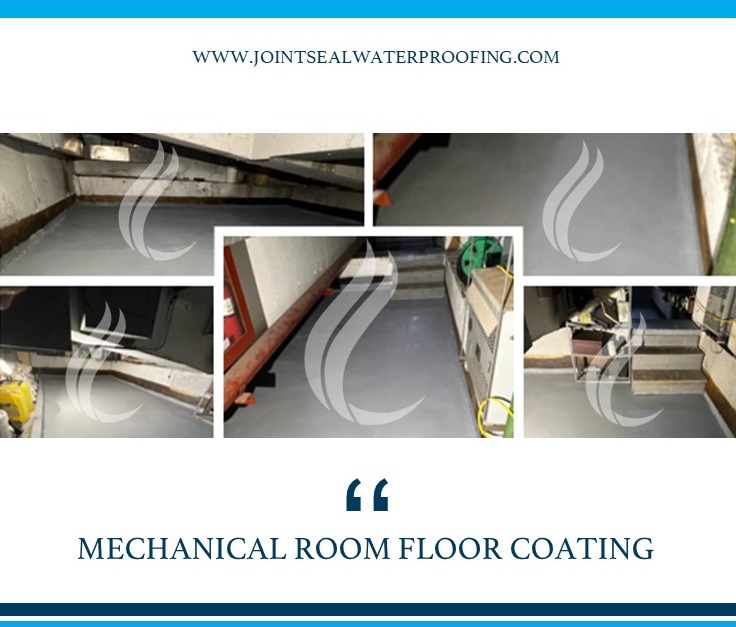
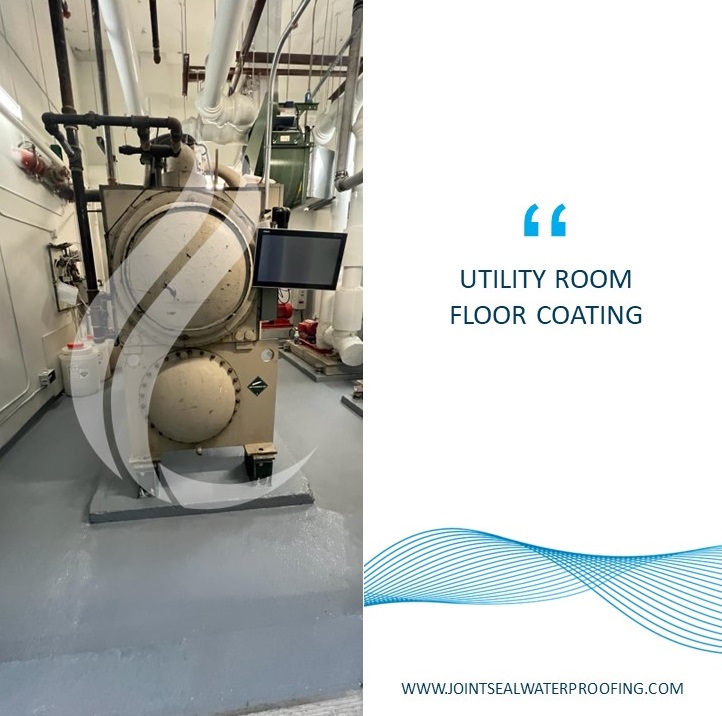
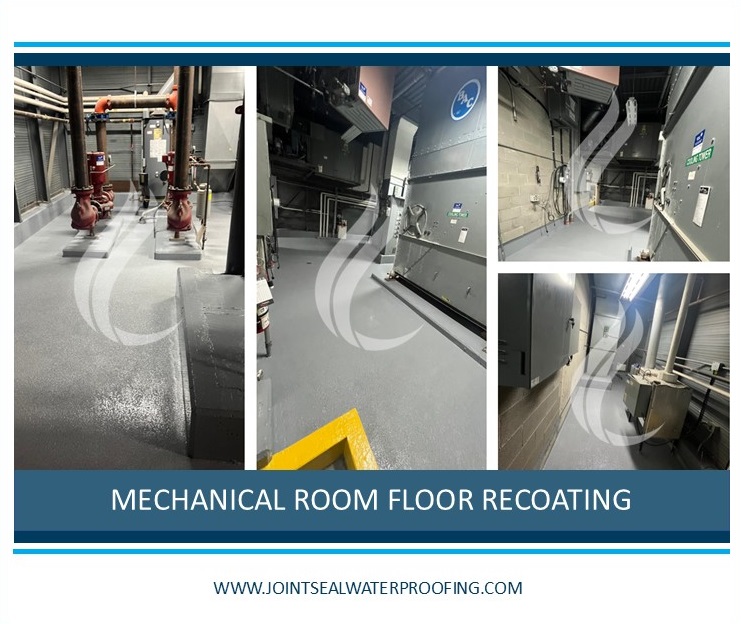
Parking garage decks and ramps, mechanical and utility room floors, compactor and garbage rooms, elevator pit floors, stairs and porches, pool decks, and production floors in food-processing and industrial plants.
The room decides the system. A garage ramp takes turning tyre loads and de-icing salt. A plant floor takes hot water washes and cleaning chemicals. A mechanical room takes oil and standing water. The same coating does not answer all three.
Why Coatings Fail Early
Most failed coatings we are called to look at did not fail as coatings. They failed because they were installed over concrete that was still cracked, delaminated or damp, so the bond had nothing sound to hold on to and the coating lifted in sheets.
Cracks that were coated over rather than repaired telegraph straight back through the new surface within a season. Any coating that is going to last starts with crack repair and patching, and with prep that opens the concrete enough for the primer to key into it.
Choosing the System
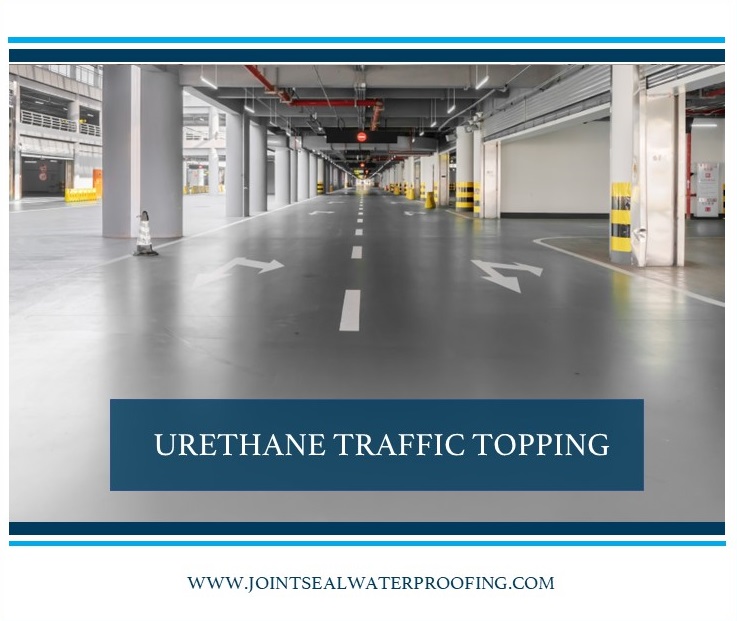
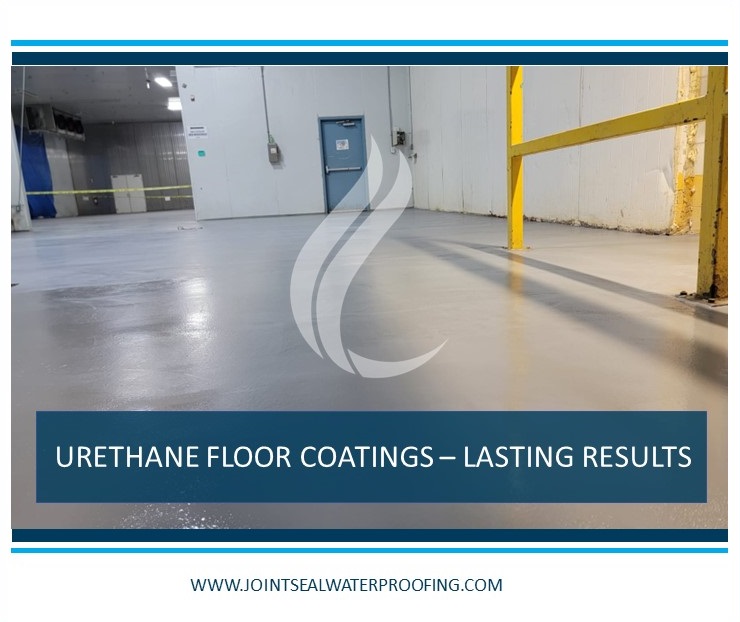
Urethane traffic topping — parking decks and ramps. It bridges cracks as the slab moves, resists freeze-thaw and road salt, and gives a slip-resistant surface for vehicles and pedestrians.
Cementitious urethane — food-processing and industrial floors. It takes hot water washes, harsh cleaning chemicals and heavy equipment traffic, and antibacterial grades suit hygiene-critical areas.
Polyaspartic — where the room has to go back into service quickly. It cures fast, holds its colour under UV, and resists solvents and bleach better than standard epoxy.
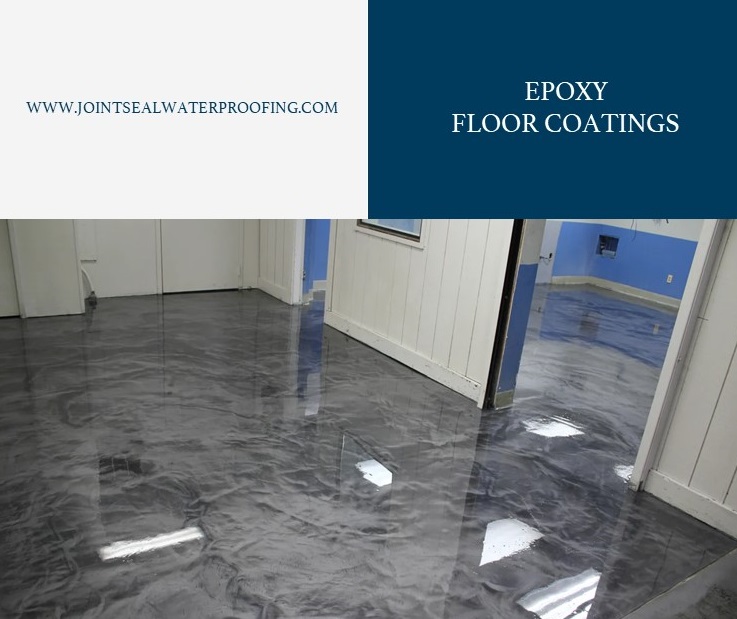
Epoxy and metallic epoxy — utility rooms, lobbies and back-of-house floors where a hard, easy-clean, good-looking finish matters more than movement.
Our Repair Methods
How a Floor Coating Is Installed
The coating is the last step, not the first. Four stages, in order — skip one and the system fails early.
Surface Preparation
The floor is ground or shaved to remove paint, curing compounds, oils and any other contaminant. Clean, exposed concrete is not optional — it is what the primer bonds to.
Where a previous coating has already delaminated, it comes off entirely rather than being patched into. Coating over a failing coating simply buries the failure.
Crack Repair and Patching First
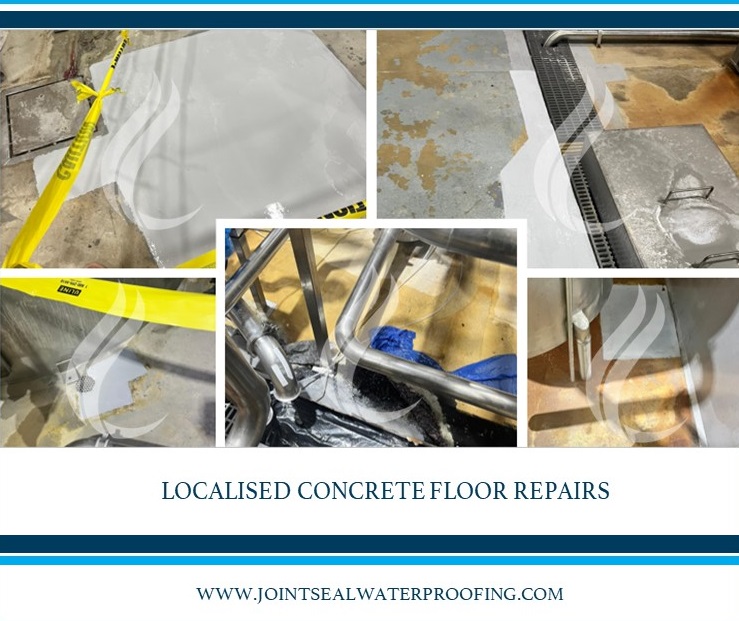
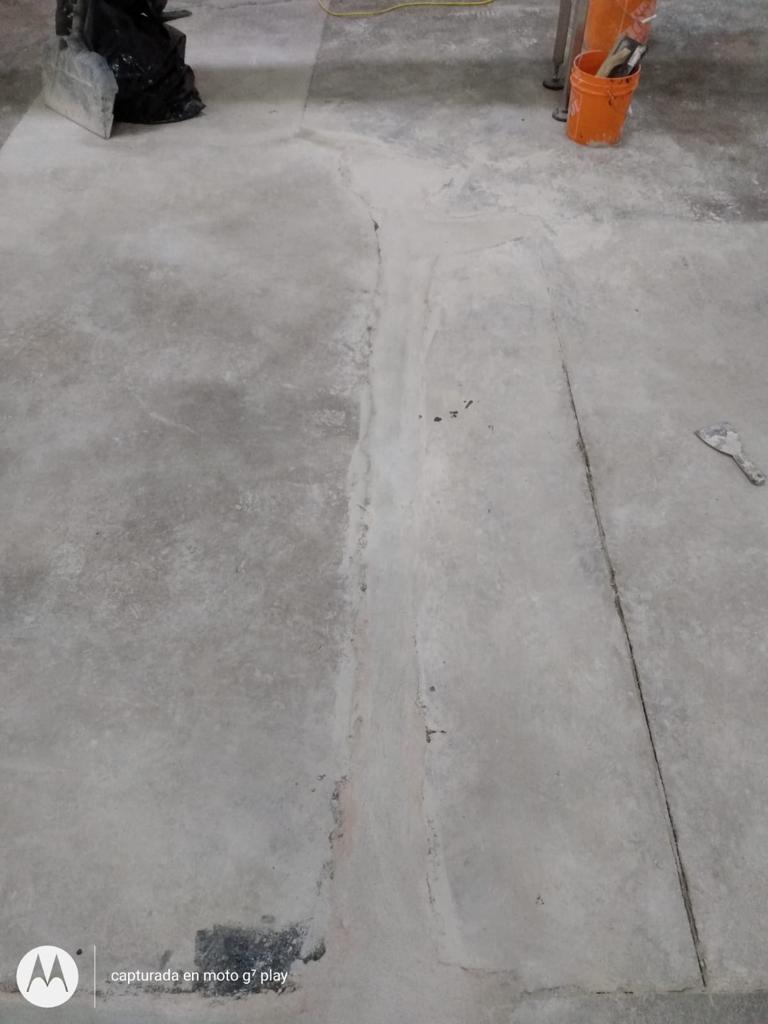
Cracks are opened to remove loose material, coated with industrial-strength adhesive, and filled with polymer cement. Delaminated areas are ground back to sound concrete, primed with adhesive and patched.
Our adhesives allow thin patch applications rather than the two-inch minimum demolition traditional methods require, so the floor is levelled without recasting the slab.
Membrane Build-Up and Non-Slip Broadcast
The first coat goes down over the prepared floor. Non-slip aggregate is broadcast into it while it is still wet, then a second coat encapsulates the aggregate.
That two-coat sandwich is what produces a surface with real grip rather than a slick film with grit sitting loose on top of it.
Ramps, Trench Drains and Transitions
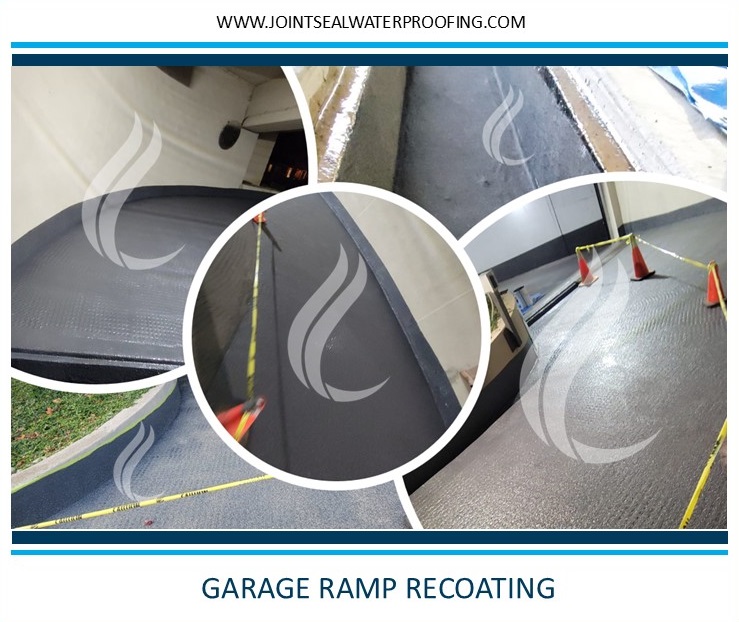
Ramps, drain surrounds and floor-to-wall transitions are where coatings break down first, because that is where water collects and where loads concentrate.
We detail these before the field coat goes on — restoring the trench drain edge, carrying the coating up the curb, and reinstating the slope so water reaches the drain instead of sitting on the deck.
Common questions
Frequently asked questions
Which floor coating is best for a parking garage?
Urethane traffic topping. It bridges cracks as the slab moves, resists de-icing salt and freeze-thaw, and gives a slip-resistant surface for vehicles.
Do you have to repair the concrete before coating it?
Yes. Cracks and delaminated areas are repaired first, or they telegraph back through the new coating within a season.
How long does a floor coating take to install?
It depends on preparation and the system, not the coating itself. Prep and repairs usually take longer than the coating passes.
Can you coat a floor that has an existing failing coating on it?
The old coating has to come off first. Coating over a delaminating surface buries the failure rather than fixing it.
What coating suits a food-processing floor?
Cementitious urethane, in an antibacterial grade. It takes hot water washes, cleaning chemicals and heavy equipment traffic.
Is polyaspartic worth the extra cost over epoxy?
Where the room has to reopen quickly or sees UV and harsh chemicals, yes. Polyaspartic cures faster, holds colour and resists solvents better.
Floor coating needed?
We repair the slab first, then install the coating system the room actually calls for — garage decks, plant floors, mechanical rooms and stairs across Toronto and the GTA.