
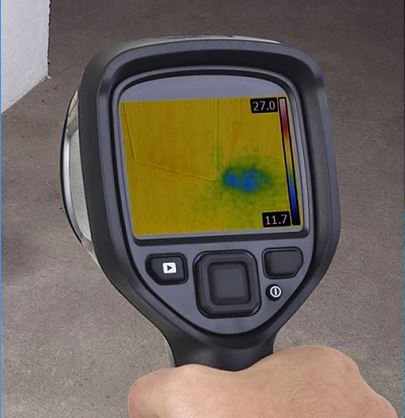
Infrared Leak Detection · Toronto & GTA
Infrared Leak Detection & Moisture Diagnostics
Water almost never appears where it got in. Before anything is opened up we scan the assembly with a thermal camera, sound the concrete, and run a camera down the drain line. The repair is then aimed at the water path rather than at the stain on the ceiling.
- Thermal Imaging
- Moisture Surveys
- Sounding Tests
- Drain Camera Inspection
- Elevator Pits
- Garage Decks
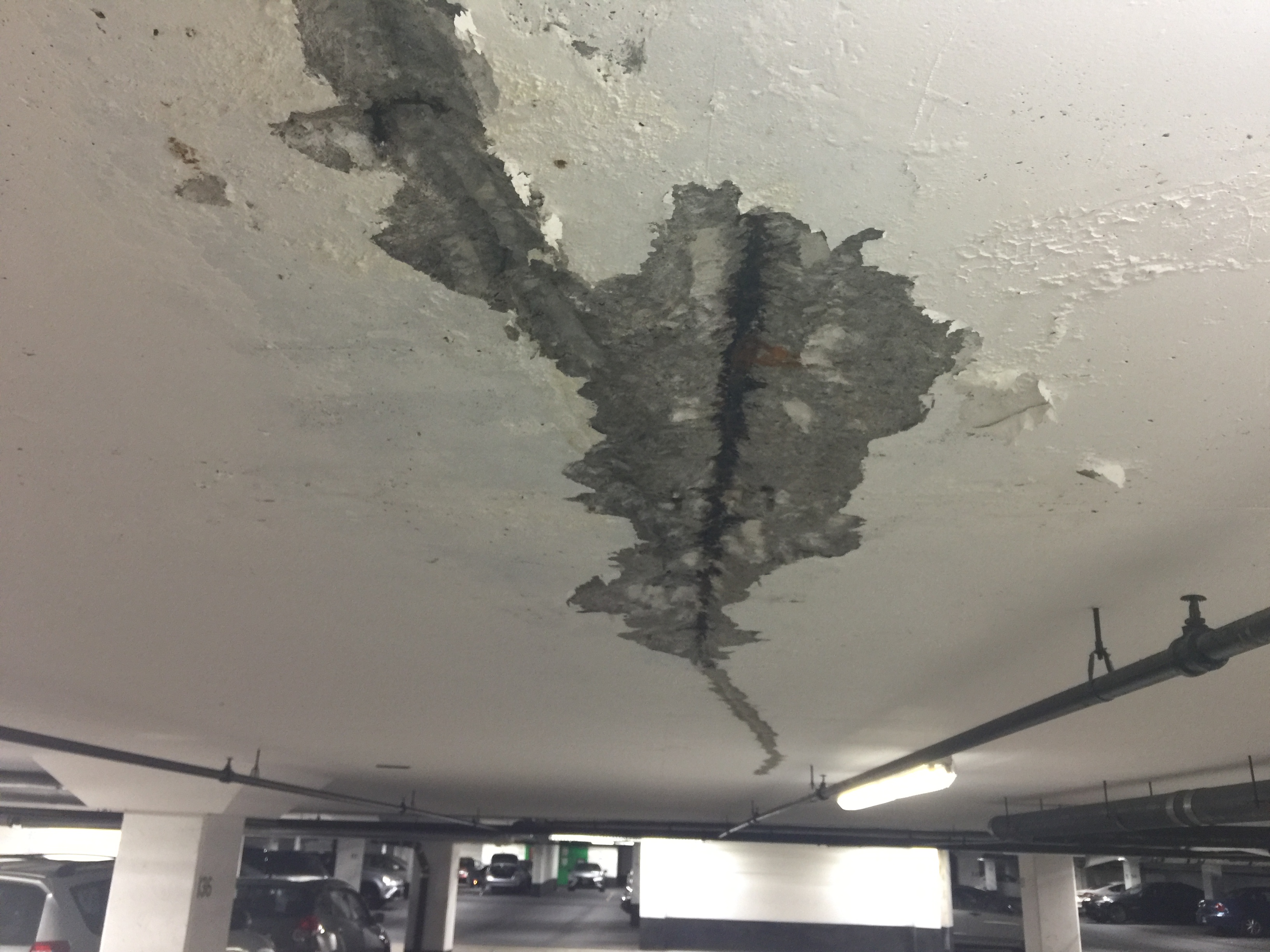
Why the Stain Is Not the Source
Water that gets under a debonded deck membrane runs along the top of the concrete slab until it finds an opening, and that opening is usually an expansion joint. On one downtown Toronto garage we traced roughly 20 feet between the crack where the water entered and the drip inside the garage.
A crew that excavates directly over the drip can strip the deck, find intact membrane, and put it all back having fixed nothing. Diagnostics exist so the corporation does not pay for that search twice.
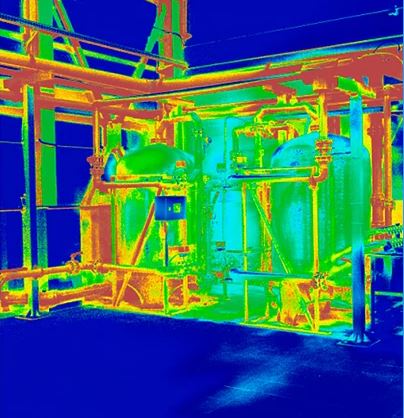
Thermal Imaging on a Wet Assembly
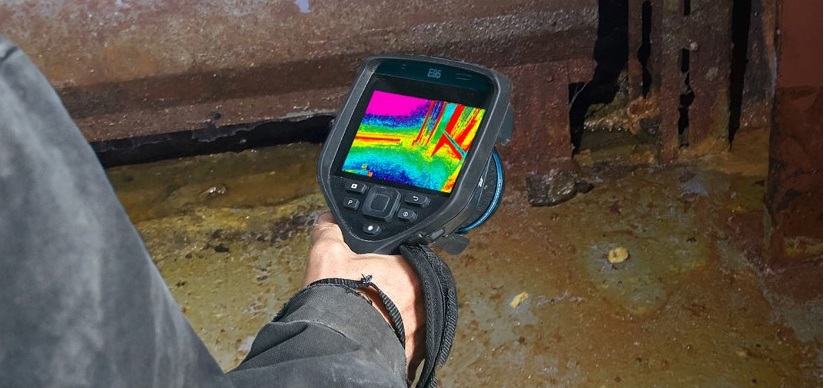
An infrared camera detects heat and converts it into an electronic signal, which is processed into a thermal image with the temperature calculated and displayed. Saturated concrete holds and releases heat differently from dry concrete, so the wet sections of a wall, slab or elevator pit read clearly against everything around them.
A surface can look perfect to the naked eye and still be carrying water behind it. The scan shows how far the saturation extends, which turns a vague report of a leak somewhere on the wall into a measured area on a drawing.

What the Survey Gives the Board
After every inspection we provide a detailed report that explains the findings and supports the recommended repairs. It states where water is entering, how far the saturation runs, and which areas sound hollow rather than solid.
That report is what a property manager takes to a board. It also fixes the scope, so competing quotes describe the same work instead of three different guesses at it.
Our Repair Methods
How We Trace a Leak
Four tools, used in the order that narrows the search fastest. Nothing gets opened up until the water path is understood.
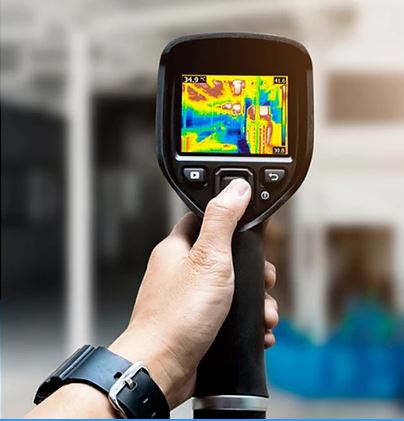
Thermal Scan
The assembly is scanned with an infrared camera to map saturated sections against dry concrete. A sensitive detector shows the slight temperature differences that mark the edge of a wet area, and a wide lens lets the camera work close to a wall or floor and still collect temperature data across the whole surface.
Coupled with infrared software the scan gives a thermal analysis rather than an impression, so the extent and severity of the leaking can be judged before a budget is set.
Sounding Test
A sounding test is tapping concrete with a specialised hammer or a metal rod and listening to the response. Solid concrete rings; delaminated concrete sounds hollow, and the hollow area is usually larger than anything visible.
This is the test that decides whether a crack gets injected or the surrounding area gets removed and patched. Sealing over a hollow, delaminated section traps water behind it and leads to a larger area needing patching later.
Drain and Pit Camera
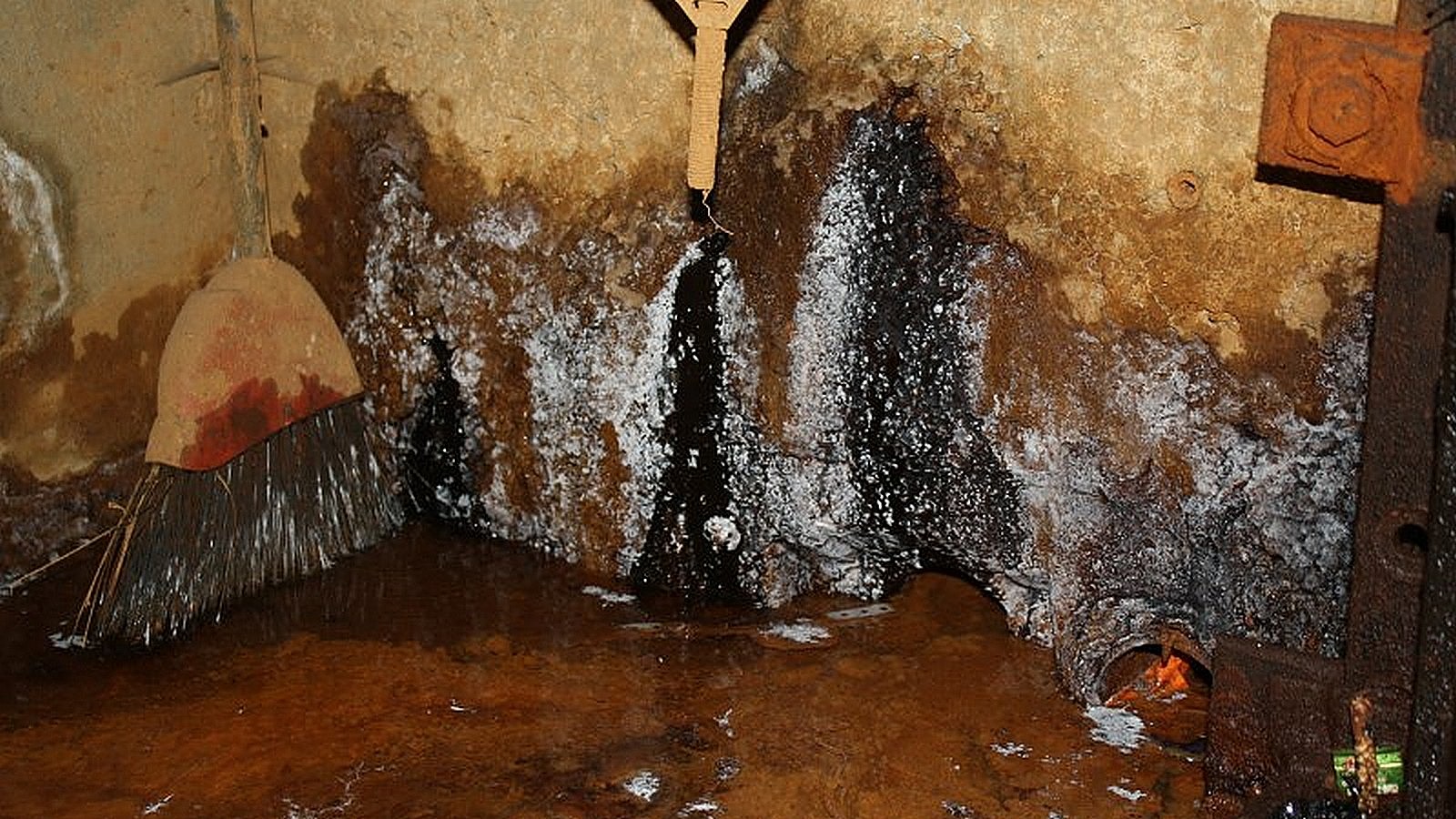
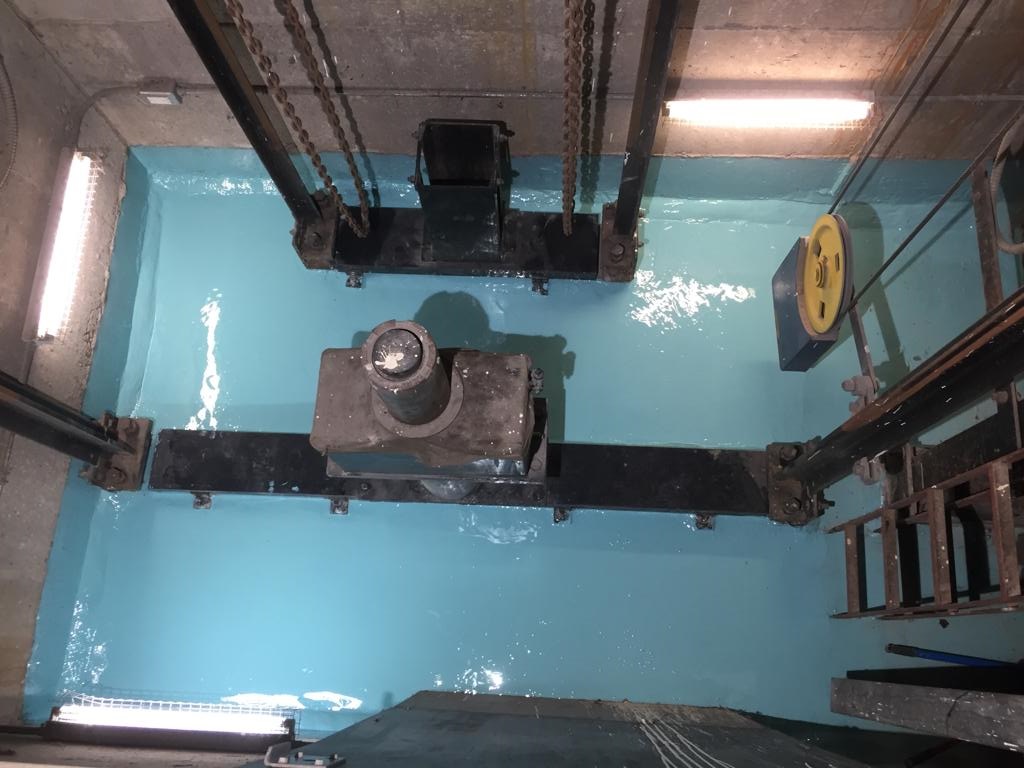
A camera on a snake is run down the drain line toward the sump pit, which shows blockage, slope problems and damage in one pass. Elevator pit drains commonly have their bottom half blocked with oil and sediment, because oil is heavier than water and settles in the pipe.
Before the camera goes in, a golf ball or cue ball rolled across the pit floor tells you whether the floor actually falls toward the drain. Plenty do not, and some slope up before they slope down.
Reading the Building
Staining is evidence once you read where it stops. Water marks confined to one element, a conduit box or a single joint line, with the rest of the ceiling clean and dry, point to water carried in from outside rather than coming down through the deck. A slab-above failure almost always leaves staining in more than one place.
Colour matters too. Rust-coloured staining around a crack means water has reached the rebar and the steel is corroding. White efflorescence streaking down a face means water is carrying calcium out of the concrete. The two point at different problems and change what gets scanned next.
Common questions
Frequently asked questions
How do you find a leak in an elevator pit that isn't obvious?
Where the water path is not visible we use thermal imaging, which shows the saturated sections of an elevator pit clearly against the dry concrete. Read alongside the handful of ways water normally enters a pit, an infrared scan narrows it quickly. The harder judgement is predicting what fails next once the current path is sealed.
Why does the leak appear in a different place than where the water gets in?
Water that gets under a debonded deck membrane runs along the concrete slab until it reaches the expansion joint, then exits there. On one downtown Toronto garage we measured roughly 20 feet between the crack in the membrane and the visible drip inside. This is why digging directly above the drip often misses the failure.
What is a sounding test on concrete?
A sounding test is tapping concrete with a specialised hammer or a metal rod and listening to the response. Solid concrete rings; delaminated concrete sounds hollow. It is the test that decides whether a crack gets injected or the surrounding area gets removed and patched, and it finds damage that looks completely sound to the eye.
How do you check whether an elevator pit drain is working?
The practical test is a camera on a snake run down the drain line toward the sump pit, which shows blockage, slope problems and damage in one pass. Before that, a golf ball or cue ball rolled across the pit floor tells you whether the floor actually falls toward the drain — plenty do not, and some slope up before they slope down.
How can you tell if garage water is coming from the slab above or tracking in from outside?
Look at where the staining stops. If the water marks are confined to one element — a conduit box, a pipe chase, a single joint line — and the rest of the P1 ceiling is clean and dry, the water is being carried in from outside rather than coming down through the deck. A slab-above failure almost always leaves staining in more than one place.
Do you need to find where the water is entering before injecting?
No, and that is the main advantage of the method. The resin takes the path of least resistance, which is the same route the water used, so it travels back toward the entry point on its own. On garage decks this matters because water can travel 20 feet or more under a debonded membrane before it exits at the joint.
Not sure where the water is actually coming from?
We scan, sound and camera the assembly before anything is opened up, then quote a repair aimed at the real water path. You get a written report you can put in front of the board.