Project & Insights
Ignored elevator pit leak: the $300,000 claim the insurer refused
November 16, 2026
By Boris Gopka, Owner, JSW Waterproofing — elevator pit waterproofing across Toronto and the GTA
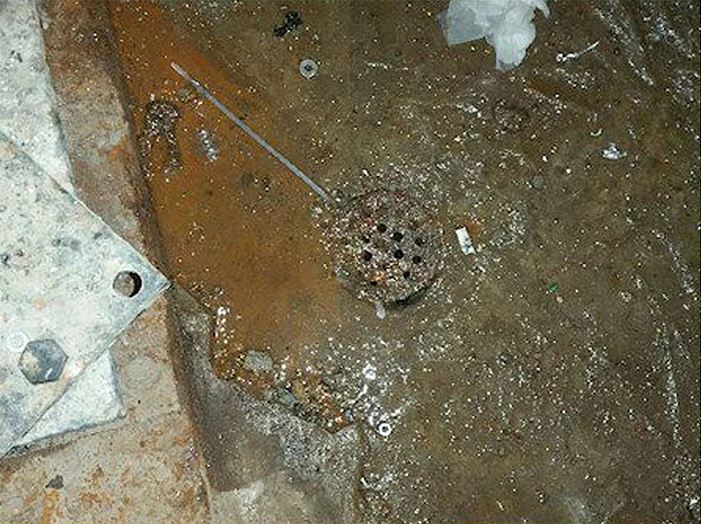
A building we know of lost its elevator and about $300,000 because a leak in the elevator pit was left too long. The insurer refused to pay for the repair and reinstallation, ruling that the problem had gone on long enough that it was known, or should have been, and that leaving it was negligence. The residents paid instead.
What happened?
Water had been getting into the elevator pit for a long time, and the building had been told about it more than once. Nobody fixed it. The water rusted the equipment until the elevator was condemned, and the bill to repair and reinstall it came to about $300,000.
The building put the claim to its insurer. The insurer investigated, found the flooding had been going on long enough that the owner or the elevator mechanic would have caught it, and refused the claim as negligence rather than an accident.
The elevator stayed out of service until the building collected the $300,000 from its residents and had the work done. It was a terrible and costly mistake, and it is probably not the only time it has happened.
We are not naming the building, the insurer or the elevator company. The point is not who. It is how ordinary the path to it was.
Why did the insurer refuse to pay?
The insurer refused because insurance is for sudden, unforeseen damage, and a pit that has been wet for months is neither. A leak that has been mentioned by the technician, written into a service report, or left as a water line on the pit wall is a known leak. Once it is known, doing nothing about it stops being bad luck and becomes neglect.
There is a second test that catches buildings out: “should have known”. Even if nobody wrote it down, water that has been in a pit long enough for the owner or the mechanic to notice is treated as if they had noticed. You do not get to argue you never looked.
We are a waterproofing contractor, not an insurance adviser, and every policy reads differently. Ask your broker how yours treats gradual water damage. But do not count on the insurance being there for a pit you already know is wet.
Whose job was it to catch the leak?
Catching water in an elevator pit is a shared job, and that is part of why it slips. Elevators in Ontario are licensed and inspected by the TSSA, and both the property owner and the elevator maintenance company have to stay on top of timely repairs, waterproofing included.
Day to day the split is straightforward. The elevator company looks after the metal: equipment, rails, buffers, the piston and its casing. The concrete pit, the waterproofing and the drain are the owner’s, done through a waterproofing contractor. The sump pump is a plumber’s item.
The trap is that each party can assume another one has it. The mechanic reports water and moves on. The manager assumes the elevator company is dealing with it. Meanwhile the equipment sits in water.
What does repeated water do to elevator equipment?
Repeated water rusts elevator equipment, and the damage keeps going between floods. Pumping the pit dry does not stop it. Over months and years that corrosion shortens the elevator’s life and can get it condemned early, long before anyone had budgeted for a modernization.
The TSSA does not need to find the pit flooded on the day to act. Staining on the pit walls at half a foot or a foot shows how high the water has been, and inspectors read it. We have written about how serious a wet pit is and how the TSSA treats it separately.
How much would it have cost to fix the leak?
Fixing the leak early would have cost a small fraction of $300,000. If water is coming back up the pit drain from an overloaded sump, a backflow preventer and a working sump pump is a few thousand dollars. Where the pit itself is leaking, waterproofing is usually a day per pit, done one car at a time so the building keeps an elevator running. What elevator pit waterproofing costs sets out the real numbers.
Either way, it is not $300,000, and it does not leave residents without an elevator.
What should a property manager do now?
If your elevator technician has mentioned water in the pit, treat that as the day the clock started, because that is the date an insurer would look for. Write it down. Get photos. Book an inspection that finds which of the seven paths water takes into a pit is active, and fix it.
Then keep the paperwork: the completion report, the photos and the warranty. If the question ever comes up, the record shows the leak was dealt with, not ignored. We recommend having an engineer or a qualified specialist review any pit with cracking or section loss; we are glad to work with yours.
Common questions
Frequently asked questions
What happens if a known leak in the elevator pit is ignored?
It can get very expensive. If the insurer finds the leak was known, or should have been known because it went on long enough that the owner or the elevator mechanic would have flagged it, it can refuse the claim as negligence. In one case, a building faced about $300,000 to repair and reinstall its elevator, and the insurer refused to pay. The elevator was condemned and out of service until the building collected the money from its residents and did the work. Fixing a wet pit early costs a fraction of that.
Why would an insurer call a wet elevator pit negligence?
Insurance is there for sudden, unforeseen damage. A pit that has been reported as wet, or that has carried a water line on its walls for months, is not sudden. If the insurer finds the owner or the elevator mechanic knew, or should have known, it can treat the damage as the result of neglect and refuse to pay.
Who is supposed to catch water in an elevator pit?
Both the owner and the elevator maintenance company. The TSSA licenses and inspects elevators, and both have to stay on top of timely repairs, waterproofing included. Day to day the elevator company handles the metal; the concrete pit, waterproofing and drain are the owner's, through a waterproofing contractor; the sump is a plumber's.
Related services & repair types