Project & Insights
The ledge beam problem: when a garage drip stops being cosmetic
August 13, 2026
By Valeriy, Application Specialist, JSW Waterproofing
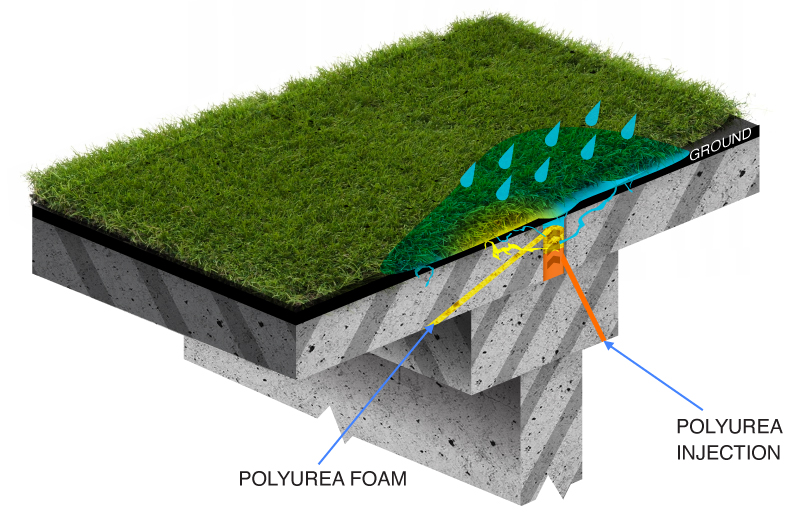
The drip from a garage expansion joint lands on a car, and everyone treats it as a nuisance. Look at what it’s landing on before it gets there.
A leaking parking garage expansion joint can saturate the ledge beam underneath it, and that beam is a structural element carrying the slabs above. A drip that looks like a housekeeping complaint is soaking concrete that holds the floor up. JSW seals these joints from inside the garage in about two days, which is a far smaller job than repairing a beam that has been wet for years.
Most of the time there’s plenty of runway. But it’s worth knowing what’s at stake, because it changes how a board should rank the work.
Should you worry about what you’re seeing?
| What you see on the beam | What it means | What it needs |
|---|---|---|
| Damp patch only during rain or thaw | Water is reaching the beam intermittently | Seal the joint above; monitor |
| Dark staining still visible in dry weather | The beam is holding water year-round | Seal the joint now |
| White chalky deposits streaking down the face | Efflorescence — water has moved through the concrete and carried salts out | Seal the joint now; assess the beam |
| Rust-coloured staining | Water has reached the reinforcing steel | Get an engineer’s opinion alongside the joint repair |
| Concrete flaking, cracking, or breaking away | Spalling — active deterioration, possibly exposed rebar | Engineer, and structural concrete repair |
What is a ledge beam?
A ledge beam is the large square beam visible from the parking level, running between columns and carrying the edges of the concrete slabs.
The detail people miss: the slabs aren’t monolithic with the beam. They rest on top of it, freely — set in place like tiles. The beam and the columns supporting it hold everything up. That’s the load path for the structure above.
So a ledge beam is not a finish element or a bulkhead. It’s part of the superstructure.
Why does a leaking joint end up soaking the beam?
Expansion joints often run directly above ledge beams, because that’s where one slab ends and the next begins. Water coming through the joint lands on the top of the beam before it makes it to the garage floor.
The top of a ledge beam holds water. It doesn’t shed it. So the beam sits saturated, and over years water works on that concrete the way flowing water works on any concrete — it finds a path, opens a void, and the void carries more water next time. The problem accelerates rather than staying level.
Salt from cars tracked through a Toronto winter doesn’t help what’s already wet.
What should you look for from the parking level?
You don’t need equipment to spot the early stage of this. Walk the level under a joint you know leaks and look at the beam:
- Persistent dark staining along the top of the beam, still there in dry weather
- White mineral deposits streaking down the face — efflorescence, which means water has moved through the concrete and carried salts out with it
- Rust staining, which means water has reached the reinforcing steel
- Spalling — concrete flaking, cracking, or breaking away, sometimes with rebar visible
Staining alone is a maintenance conversation. Rust staining and spalling on a ledge beam are a get-an-engineer conversation.
Why does this argue for fixing joints early?
The repair cost of a joint doesn’t change much whether you do it this year or in three years. What changes is whether you’re also repairing the beam underneath it.
A leaking joint sealed by injecting from inside the garage is roughly a two-day job on a 20-foot span. Concrete repair to a saturated, spalling structural beam is a different scope, on a different budget line, usually with an engineer involved because at that point it genuinely is structural work.
This is also why nobody should let a joint leak sit for years on the grounds that it’s only cosmetic. The staining is telling you where the water has been going.
Does this need an engineer?
Waterproofing work itself doesn’t require an engineer’s stamp in Ontario. Sealing an expansion joint isn’t a structural repair — the installation doesn’t determine whether the structure stands, so there’s no legal requirement for an engineering seal.
Structural repair to a ledge beam is a different matter, and that’s exactly the line worth not crossing. Fix the water problem while it’s still a waterproofing job.
That said, an independent engineer is a reasonable idea on larger work regardless, at minimum to validate what was installed. Boards commonly bring one in above roughly fifty thousand dollars. On a single joint in the range of six to ten thousand, the engineering fee is often hard to justify — though engineers who do a lot of this work will sometimes price accordingly when they know the installation method.
What should you do this week?
Walk your P1 and P2 levels and look up at the beams under any joint that stains, drips, or has ever been reported. Photograph what you see, and note whether it’s wet-weather-only or permanent.
Then have someone tell you what’s feeding it. Book an inspection and we’ll explain the cause and the realistic options before it turns into concrete work.
Book a JSW inspection · More on expansion joint repair, concrete surface repair and parking garage repair. Our condo maintenance guide covers what else to check on the same walk.
Common questions
Frequently asked questions
Can a leaking expansion joint cause structural damage in a parking garage?
Yes, over time. Garage slabs bear on ledge beams, and expansion joints frequently run directly above them, so water exiting the joint saturates the top of the beam. Flowing water deteriorates concrete and opens voids that carry more water, and a ledge beam carries the slabs above it.
What is a ledge beam?
A ledge beam is the large square concrete beam visible from the parking level, spanning between columns and carrying the edges of the floor slabs. The slabs rest freely on top of it rather than being poured monolithically with it, which makes the beam part of the building's structural load path.
What are the warning signs of water damage on a garage beam?
Look for dark staining that persists in dry weather, white efflorescence streaking down the face, rust staining, and spalling where concrete flakes or breaks away. Staining alone is a maintenance item. Rust staining or spalling on a structural beam warrants an engineer's opinion.
Does an expansion joint repair require an engineer in Ontario?
Waterproofing does not require an engineering stamp, because sealing a joint is not a structural repair and does not determine whether the structure stands. An independent engineer is still worth having on larger projects to validate the installation, and boards commonly involve one above roughly fifty thousand dollars.
Is it cheaper to fix the joint or wait and repair the concrete later?
Fixing the joint is far cheaper. A negative-side injection on a 20-foot joint span is about a two-day job. Repairing a saturated, spalling structural beam is a larger scope on a separate budget line and usually involves an engineer, because at that stage it is structural work rather than waterproofing.
Related services & repair types