Project & Insights
How long will our elevator be out of service for pit waterproofing?
August 18, 2026
By Boris Gopka, Owner, JSW Waterproofing — elevator pit waterproofing across Toronto and the GTA
Plan on one day per elevator pit, and on only one car being out of service at a time. A single pit is a day: in during the morning, out in the evening, finished. A double pit is two days, because we shut one car, work that pit, then swap. In a building with more than one elevator, there is no day when the building has no elevator at all.
The number that surprises property managers is not the day. It is that the material decides the day — not how many people we put in the shaft.
How long does one elevator pit actually take?
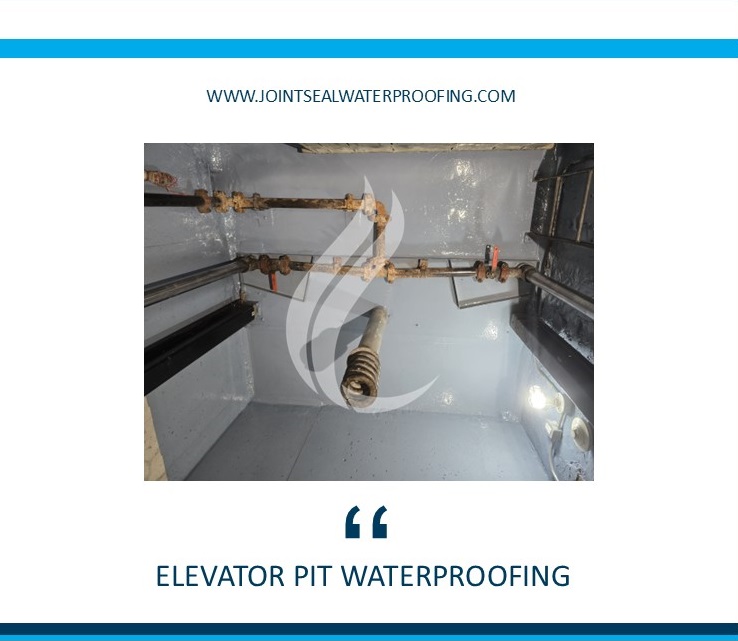
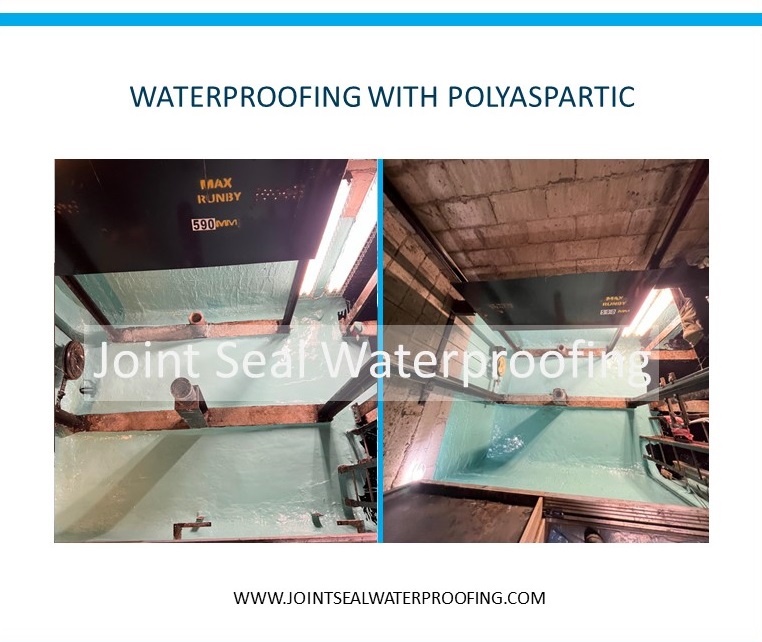
One elevator pit takes a day when nothing unusual is found in it. Our elevator pit waterproofing sequence is cleaning and contaminant removal, grinding, chipping the floor-to-wall cold joint open, rebuilding it as a continuous patch at a 45-degree chamfer, then the polyurea or polyaspartic membrane across the floor and up the wall as an upturn.
That works as a one-day job because the coating cures in about four hours rather than days. On a high-rise on Weston Road in Toronto in 2021 the pit had cracked and was taking on water; the cracks were repaired, the concrete patched, and the polyurea membrane went down over the floor in the same visit.
Jobs do sometimes spill into an extra half day per bay. That is normal and worth allowing for in the notice.
Does the whole building lose elevator service?
No. On a double pit we shut one car down and work in that pit while the other keeps running, then swap. At least one elevator is in service the whole time, which is the reason the resident notice for this work is usually straightforward. It is the question we get asked most often about double pits.
On a mid-rise on Bronte Street in Milton in 2024 we did two double-bay pits that way — cold joints sealed with a continuous 45-degree patch, a two-foot upturn on the walls, pigmented polyaspartic over the floors — and the building kept elevators running throughout.
A single-elevator building is the harder case, and it is where the one-day answer stops being a convenience and starts being an accessibility question. That is exactly why the material matters.
Why does the material decide the shutdown, not the crew size?
The shutdown length is set by cure and hydration times, which no amount of extra labour shortens. Four people cannot make a coating cure faster.
This is the clearest way to see it. A crystalline system — which engineers do sometimes specify for pits — has to be ground open to the pores of the concrete rather than to the ordinary profile a membrane bonds to, which is heavy, slow prep on its own. Then the material goes on. Then it has to be kept hydrated for days, usually under a curing film, or it dries too fast and effectively lets go of the wall. Then it needs its cure before anything else happens in that shaft, and the published figure for that is 24 hours at minimum.
The cure alone is a day, and it does not start until the prep and the application are finished. That is the whole point: our prep, application and cure all happen inside the same day, so the arithmetic cannot come out level however the rest of it is scheduled. Nothing about that is a criticism of crystalline chemistry — it is a good material in the right place, which is damp below-grade concrete with nothing going over it. It is a bad fit for a shaft that has to carry residents on Monday.
What turns a one-day pit into a three-day pit?
Three things stretch an elevator pit job, and none of them is the size of the pit.
Active running water. Water coming in under pressure has to be stopped before any repair starts, and that is a whole operation of its own. On a group of buildings in the Hamilton area we spent two full days doing nothing but stopping water before the wall repairs could begin.
Floor slope correction. A pit floor that does not fall toward the drain needs resloping, which is a separate self-levelling application with its own set time before the membrane goes over it.
Blocked access at the floor-to-wall corner. The cold joint is the whole job. If equipment or a piston housing sits over it, the work slows down and sometimes has to be sequenced around the elevator technician.
The size of the pit itself barely moves the number.
What has to happen before the crew can start?
Only the elevator maintenance company listed on that elevator can open the shaft and give access to the pit, and they have to be present the entire time anyone is inside it. A waterproofing contractor cannot let themselves in. So booking this work is a three-way arrangement between the property manager, the elevator company and us, and that scheduling is usually the longest part of the whole thing.
Before anyone goes in, the sensors in the pit that tie into the building fire panel are put into test mode, by the elevator technician or the property manager. We run HEPA dust extraction connected to every tool, because a shaft acts like a chimney and grinding dust goes up it.
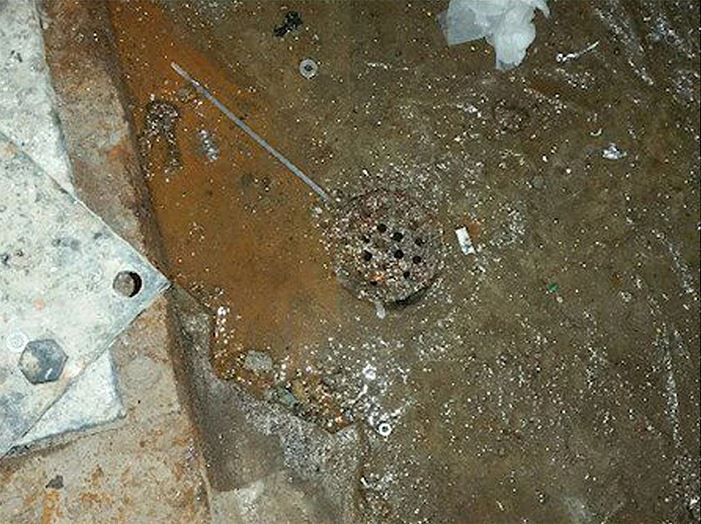
One thing that does not happen: power washing. It is the obvious first move and it is the wrong one. Saturated concrete will not let a coating bond or cure, so the sediment, oil and debris come out mechanically instead.
What should the notice to residents say?
Name the car, name the days, and say the other elevator stays in service. For a single-elevator building, give the one date and the hours — morning to evening — and warn that there will be tool noise from the shaft. Mention that the fire panel is in test mode for the day so nobody reports a fault.
If you want the actual number for your building rather than the general one, we will look at the pit with your elevator contractor and give you the shutdown in writing, per car, before you book anything.
Book a JSW inspection · More on elevator pit waterproofing and polyurea membranes
Common questions
Frequently asked questions
Why does a crystalline system take longer than a membrane in an elevator pit?
A crystalline system takes several days in an elevator pit because of its sequence, not the application itself. The concrete has to be ground open to its pores, the material applied, then kept hydrated for days under a curing film so it does not dry too fast and let go, and then left to cure before anything else happens in the shaft. A polyurea or polyaspartic membrane cures in about four hours.
Can elevator pit waterproofing be done without shutting the elevator down?
The car whose pit is being worked on has to be out of service, because the elevator maintenance company locks it out and has to be present the whole time anyone is in the shaft. In a building with more than one elevator that is the only car affected — we do one pit, then swap. In a single-elevator building it is one day: in during the morning, out in the evening.
Do both elevators shut down when you waterproof a double pit?
No. We shut down one car and work in that pit while the other stays in service, then swap. At least one elevator is running at all times, which is why the building notice is straightforward and there is no accessibility problem to manage. It is the question we get asked most often about double pits.
Who is allowed to open an elevator pit for an inspection?
Only the elevator maintenance company listed on that elevator can open the shaft and give access to the pit. That company has to be present the entire time anyone is working inside it. A waterproofing contractor cannot let themselves in, so any pit inspection is a three-way arrangement between the property manager, the elevator company and the contractor.
Why can't you power wash an elevator pit before waterproofing it?
Power washing an elevator pit saturates the concrete, and saturated concrete will not let a coating bond or cure properly. It is the obvious first move and it is the wrong one. The pit is full of sediment, oil and debris that all has to come out, but it comes out mechanically — sweepers and grinders — not with water.
Related services & repair types