Project & Insights
Flat Roof Repair – Lasting Solutions to Avoid Roof Replacement
November 20, 2024
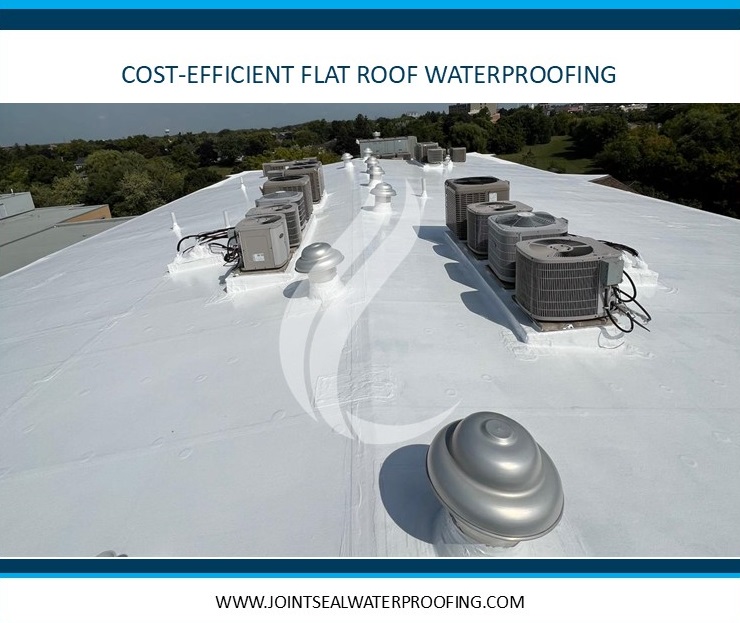
Joint Seal Waterproofing was able to offer the ideal solution to a senior residents’ home in Milton, ON, repairing and waterproofing their existing flat roof instead of replacing it – a much-more cost-efficient option. The project, which focused on waterproofing and enhancing the durability of an EPDM roof spanning 11,660 square feet, delivered long-term protection and safety improvements.
Repair Method
The repair process began with a thorough cleaning of the existing roof surface using chemical solvents to ensure optimal adhesion of coatings. Flexible membranes were applied to waterproof all joints, while damaged areas were carefully restored using fiberglass and an industrial-strength adhesive. Special attention was given to upturns on equipment platforms to bolster the overall structural integrity of the roof.
To complete the project, two coats of premium silicone coating were applied, adhering to the approved specifications and ensuring superior waterproofing performance. As a value-added feature, no-slip pathways were created on 600 square feet of the rooftop. A specialized coating was applied to these pathways, combined with quartz in a grey finish, providing enhanced traction and safety for personnel accessing rooftop areas, especially during wet or inclement weather.
The Need of Non-Slip Pathway
Non-slip pathways are a critical feature for roofs that require regular access for inspections, maintenance, or repairs. Rooftops can become slippery due to rain, snow, or condensation, posing a serious risk to personnel. By incorporating a textured, durable coating in high-traffic areas, these pathways significantly reduce the likelihood of slips and falls, ensuring a safer working environment. This is particularly important in a facility serving seniors, as it minimizes potential liabilities and ensures compliance with safety standards.
Benefits of Our Application Methods
This type of application offers numerous benefits, including enhanced waterproofing that protects the roof from leaks and weather-related damage, extending its lifespan significantly. The durable silicone coating reflects UV rays, reducing heat absorption and contributing to energy efficiency for the building. Additionally, the inclusion of no-slip pathways not only ensures safety for maintenance personnel but also minimizes the risk of accidents, which is crucial for liability and long-term operational efficiency. These upgrades collectively enhance the functionality, safety, and durability of the facility’s roof, providing peace of mind for residents and staff alike.
Learn more about our solutions for flat roofs by visiting our page: /flatroof
Related: flat roof and podium deck waterproofing · podium deck waterproofing · polyurea membranes · what is polyurea waterproofing · documented projects · common questions
Common questions
Frequently asked questions
Why does the leak appear in a different place than where the water gets in?
Water that gets under a debonded deck membrane runs along the concrete slab until it reaches the expansion joint, then exits there. On one downtown Toronto garage we measured roughly 20 feet between the crack in the membrane and the visible drip inside. This is why digging directly above the drip often misses the failure.
Do you need to find where the water is entering before injecting?
No, and that is the main advantage of the method. The resin takes the path of least resistance, which is the same route the water used, so it travels back toward the entry point on its own. On garage decks this matters because water can travel 20 feet or more under a debonded membrane before it exits at the joint.
What temperature is too cold for concrete repair in Toronto?
Concrete repair needs air temperature above plus five degrees Celsius, because below that ice crystals form in the substrate and no repair material will bond to them. Plus ten degrees is where most materials genuinely perform. Between five and ten, the morning-to-evening temperature swing creates enough dew that the work needs materials tolerant of a damp surface.
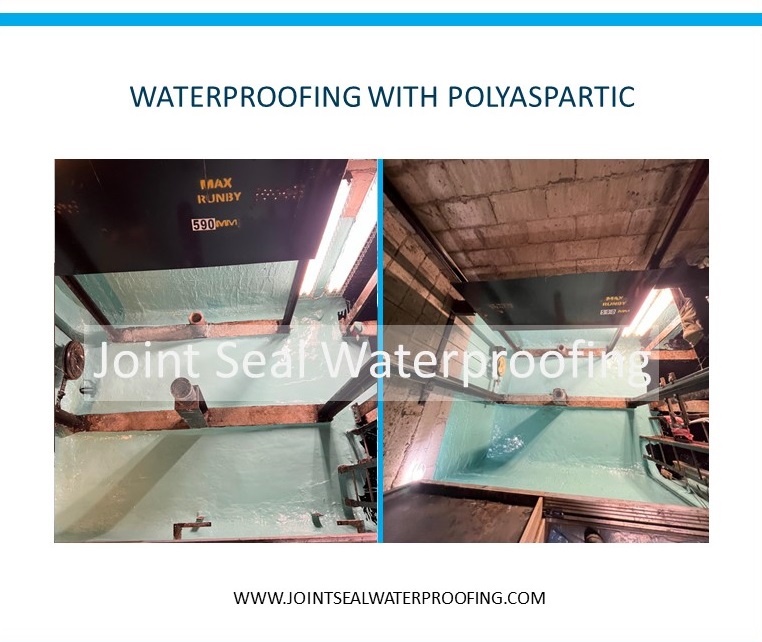
How long should elevator pit waterproofing last?
Properly installed elevator pit waterproofing generally holds around the ten-year mark, and we have had installations run well past five years even on pits where the walls were in poor condition to begin with. The variable is the substrate, not the coating — a pit with sound concrete lasts longer than one where the walls were already frail when we arrived.
Is negative-side injection as effective as digging up the deck?
In practice the success rates are comparable, and a consulting engineer on one GTA condo board conceded that a top-side dig is not 100 percent effective either — because nobody knows every place the membrane and joint have cracked. Injection also addresses the leak directly at its exit point rather than working across a broad excavated area.
When is digging up the deck the better option?
Top-side excavation makes sense when the deck membrane is failing broadly rather than at one or two joints, or when the landscaping above is being replaced anyway. If the excavation cost is already being spent for other reasons, redoing the membrane at the same time is sensible. For a localized joint leak, it rarely is.
Related services & repair types