Maintenance Guide
Seasonal maintenance calendar
Ontario's freeze-thaw climate is hard on concrete. Here's what to inspect and repair each season to catch damage early and keep repairs cheap.
The single biggest factor in Ontario building maintenance is the freeze-thaw cycle — water gets into concrete, freezes, expands, and widens the damage. Timing your inspections and repairs around it saves money.
Spring (Mar–May)
Assess freeze-thaw damage
- Inspect all concrete for new cracks and spalling after the winter freeze-thaw cycles
- Check elevator pits and garages for accumulated meltwater and efflorescence
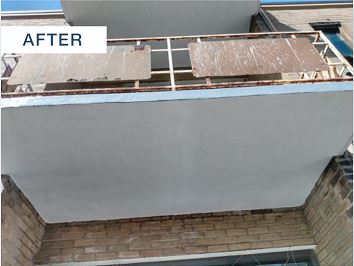
- Look for balcony slab damage and de-icing salt scaling
- Schedule repairs now — spring/summer is ideal curing weather
Summer (Jun–Aug)
The repair season
- Best window for waterproofing and coating work — warm, dry conditions cure fastest
- Address balcony slope and membrane issues before fall rains
- Re-coat traffic decks and utility-room floors while occupancy allows phasing
- Complete crack injection and expansion-joint repairs in garages
Fall (Sep–Nov)
Winter-proof the envelope
- Clear and inspect flat roof drains before leaf-fall and first snow
- Seal any open cracks and joints before water can freeze inside them
- Verify garage and pit sump pumps are working ahead of snowmelt
- Check parapet and penetration flashing on roofs
Winter (Dec–Feb)
Monitor & plan
- Watch for interior leaks, ceiling stains and ice-related roof issues
- Note where meltwater collects — these mark next spring’s repair priorities
- Minimise de-icing salt on structural concrete where possible
- Plan and budget the coming year’s repairs from the fall inspection
FAQs
Seasonal timing questions
When is the best time of year to waterproof or repair concrete in Ontario?
Late spring through early fall is ideal. Warm, dry weather lets polyurea and polyaspartic materials cure quickly and bond well. That said, interior-access work in elevator pits, garages and utility rooms can be carried out year-round because it is sheltered from the weather.
Why does Ontario’s climate cause so much concrete damage?
Repeated freeze-thaw cycles are the main driver. Water enters cracks and pores, freezes and expands, then thaws — widening the damage each cycle. De-icing salts accelerate rebar corrosion. This is why twice-yearly inspection (spring and fall) matters more here than in milder climates.
What is the single most important seasonal task?
Clearing and sealing before winter. Water that sits in a crack or a clogged drain and then freezes causes far more damage than the same water in summer. A fall inspection that seals open cracks and clears roof and pit drains prevents most winter-related failures.
Plan your season's repairs
Tell us what you're seeing and we'll help you prioritise and budget the work.