Maintenance Guide
Repair vs. replace: how to decide
The most common — and most expensive — decision a property manager faces. Here's a straight framework for when to repair and when replacement is genuinely warranted.
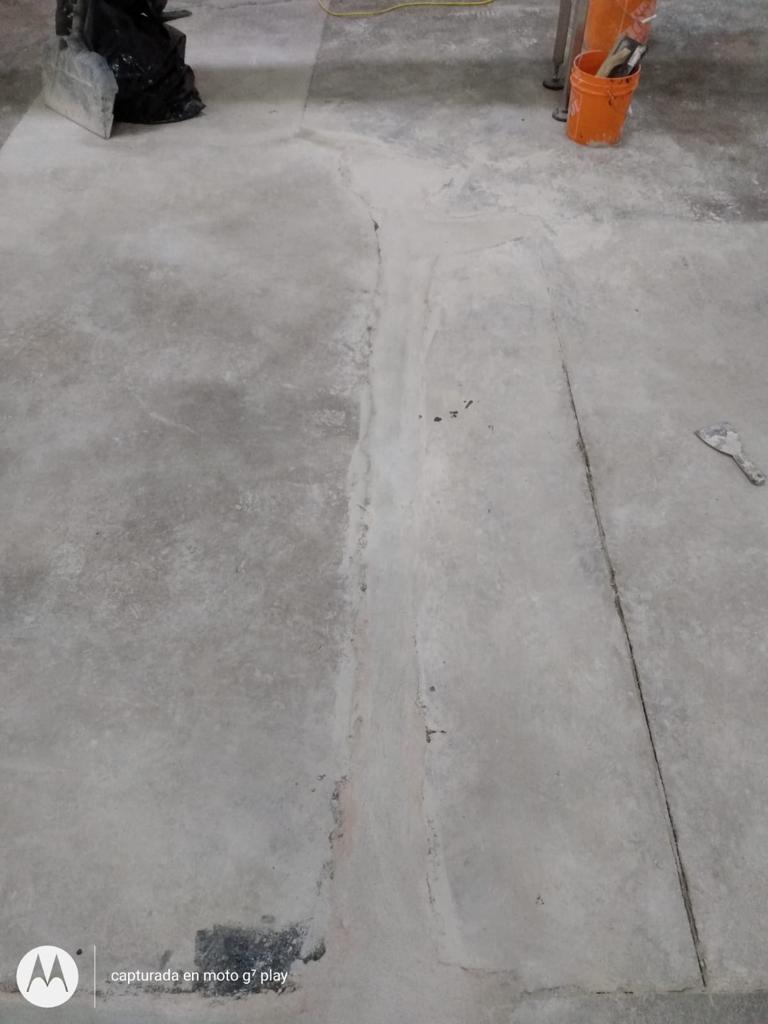
The honest answer: if the underlying structure is sound, repair is almost always the better value. Full replacement is warranted mainly when damage has been left long enough to become structural. Here's how the two compare.
| Factor | Repair | Replace |
|---|---|---|
| Extent of damage | Localised cracks, spalling, or membrane failure | Widespread structural failure or rebar loss across the element |
| Structural integrity | The underlying slab or structure is sound | An engineer has determined the element is structurally unsound |
| Cost | Typically a fraction of replacement; less labour and no demolition | High — demolition, disposal, rebuilding and long downtime |
| Disruption | Often done from inside; phased so the building keeps operating | Major disruption — closures, excavation, noise, extended timelines |
| Longevity | MTO-rated materials engineered for ~25 years | New build life, but at far greater cost and disruption |
| Best when | The damage is caught early and the structure is intact | Repair has been deferred for years and damage is now structural |
FAQs
Repair vs. replace questions
Should I repair or replace my parking garage slab / elevator pit / balcony?
In the large majority of cases where the underlying structure is still sound, a professional repair is the better value — it costs a fraction of replacement, avoids excavation and demolition, and modern MTO-rated materials are engineered to last about 25 years. Replacement is warranted mainly when an engineer has found the element to be structurally unsound, usually after damage has been left unaddressed for years.
Is repaired concrete as strong as new?
With the right method it can be. Joint Seal uses high-strength adhesives that create a monolithic bond (around 1.8 MPa) between new and existing concrete, so a properly patched surface carries its original load and, in some cases, is stronger at the repair than the surrounding slab.
How do I avoid needing a full replacement later?
Address water intrusion early. Most replacements become necessary only because small leaks and cracks were left for years, letting water reach and corrode the reinforcing steel. Twice-yearly inspection and prompt repair of cracks, joints and failed membranes is what keeps a structure in the repairable category.
Get an honest recommendation
We'll assess whether your structure needs repair or replacement — and tell you straight, even when repair is the cheaper answer.