Project & Insights
Elastomeric Concrete Systems for Expansion Joint Waterproofing
August 24, 2022
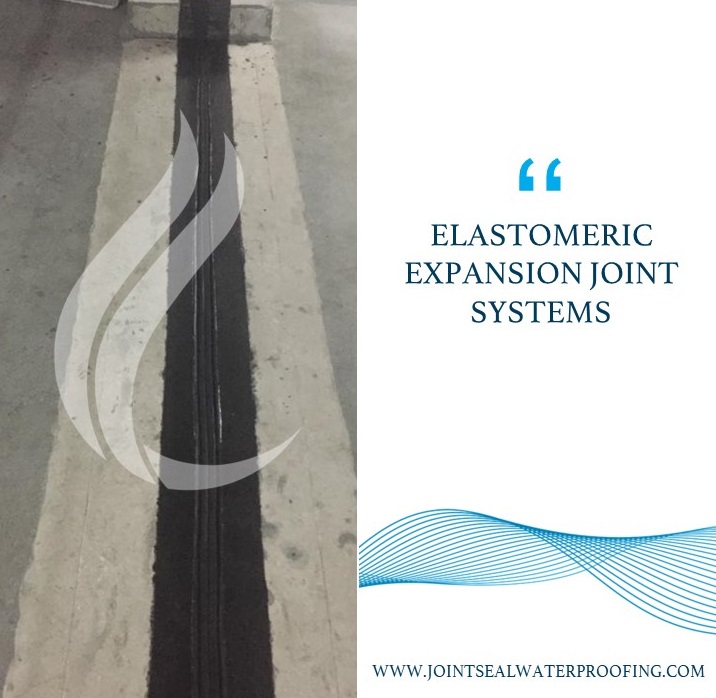
When it comes to parking decks, waterproofing membranes in combination with elastomeric concrete provide a lasting solution for expansion joint waterproofing. Such systems are designed to absorb impact loads and provide a continuous seal even at expansion joint transitions and intersections.
Three different expansion joint profiles are available, depending on the requirements: ME Series is composed of a multi-cell profile that follows ADA guidelines and is pedestrian-friendly; MM Series consists of a simple ribbed profile – an ideal option for areas where the slabs are split or where the existing joints require rehabilitation; MX Series has a two-cell web-like design which allows for increased movement.
ME Series Installation
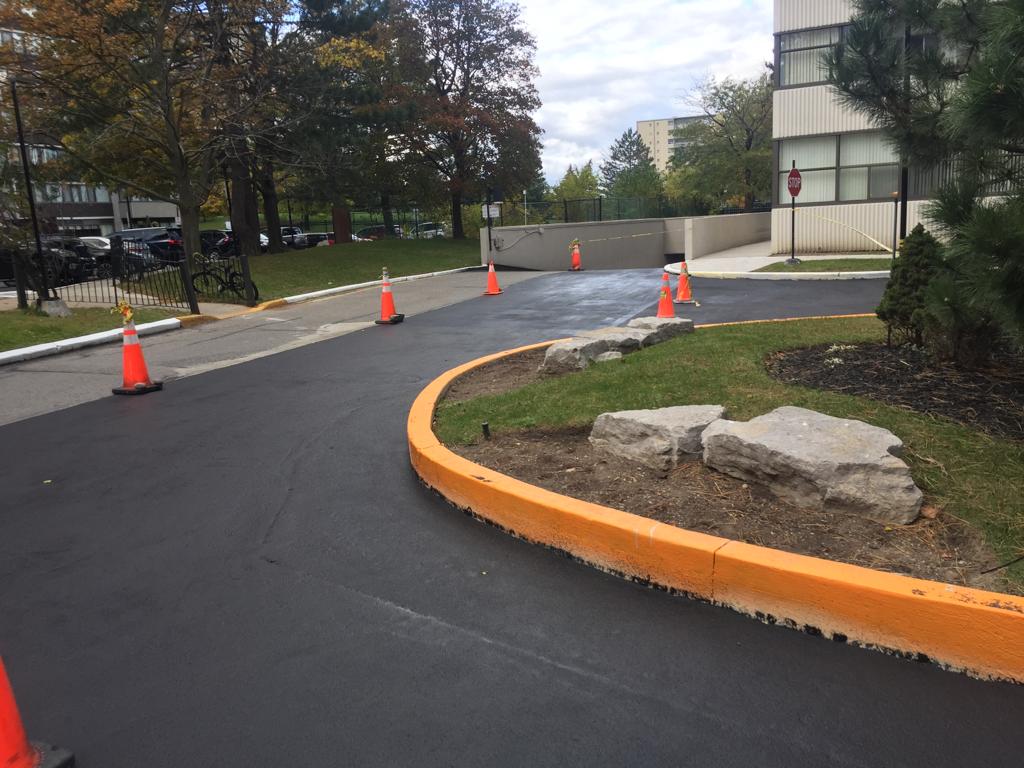
The work done at a mid-rise residential building on Northern Heights Dr. in Richmond Hill, required an ME Series expansion joint installation and waterproofing. After a different contractor had installed the joints, one of our crews went in to do the waterproofing.
The first step was to weld at the expansion joint corners – once finished, out work was inspected and approved by engineers. We then proceeded to install the rubber membrane inside the joints by using crowbars (without damaging the joints).
As with any other waterproofing installation, the first step is to prepare the substrate – the surface must be clean, to ensure proper bonding. It was then coated with a specialised primer (a bonding agent). The required parking series elastomeric concrete was installed next.
Expansion Joint Injection
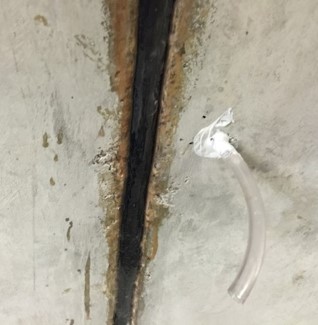
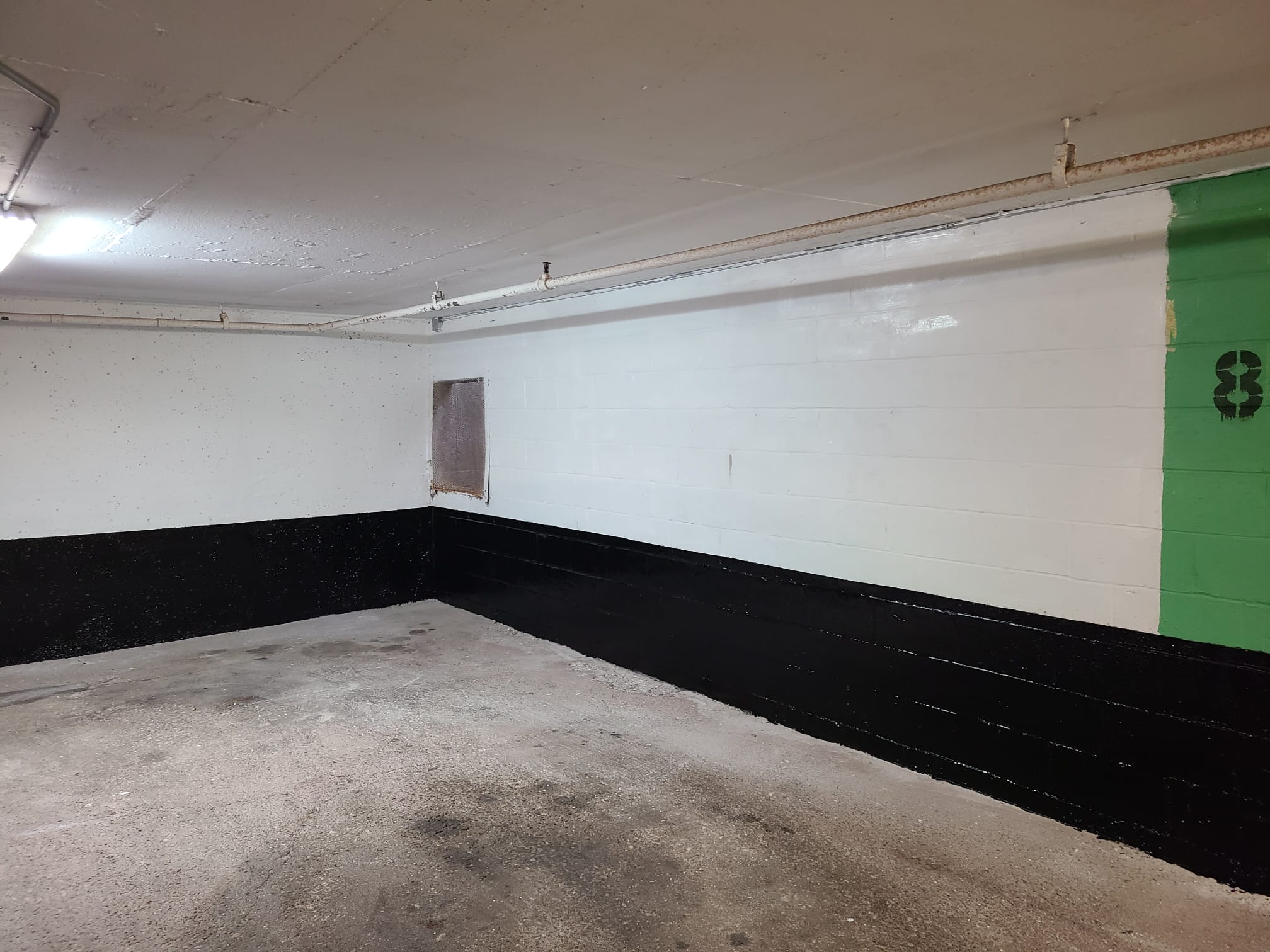
Another way to repair expansion joints – ceiling, wall, or floor – is by doing a polyurea-based injection which can be done from the negative side (from inside a parking garage) bringing great savings, since no excavation over a podium roof and existing membrane removal are necessary.
Learn more about this type of repair by visiting this page: /expansion-joints
Related: expansion joint repair and injection · overhead expansion joint injection · traffic surface repair · parking garage repair · documented projects · common questions
Common questions
Frequently asked questions
What is the difference between a top-slab and a mid-slab expansion joint?
A top-slab joint sits at the ceiling of P1, under the deck that carries landscaping or asphalt at grade. A mid-slab joint sits between parking levels — the floor of P1 and the ceiling of P2 — with nothing buried above it. The difference determines how the joint can be accessed and repaired.
Why is a mid-slab expansion joint repair cheaper?
Because both faces of the joint are exposed, nothing has to be excavated to reach it. Material can be gravity-fed from the top instead of pressure-injected from below, and mechanical joint systems can be installed directly. Access is not the constraint, so the method is chosen on movement and traffic rather than reachability.
What kind of resin is used to inject a leaking expansion joint?
A hydrophobic polyurethane injection resin — JSW uses Joint Seal Flex, manufactured in the United States for this application. It does not react with water, is heavier than water, and stays flexible after curing so the joint can keep expanding and contracting through Toronto's freeze-thaw cycles.
How does the crew know when the joint is properly filled?
By watching the injection pressure. If resin is still escaping into the structure, the pressure keeps moving. If the joint is filling and holding, the pressure climbs and stays high. That reading tells the operator whether to keep pumping or stop.
Can a leaking expansion joint cause structural damage in a parking garage?
Yes, over time. Garage slabs bear on ledge beams, and expansion joints frequently run directly above them, so water exiting the joint saturates the top of the beam. Flowing water deteriorates concrete and opens voids that carry more water, and a ledge beam carries the slabs above it.
How long does a garage expansion joint repair take?
A negative-side injection on a 20-foot joint span typically runs about two days: injection and forming on day one, form removal and cosmetic finishing on day two. A top-side excavation repair on the same joint is usually a five- to six-month project with the area fully closed.
Related services & repair types