Project & Insights
Elevator Pit Waterproofing – Durable Results
April 20, 2022
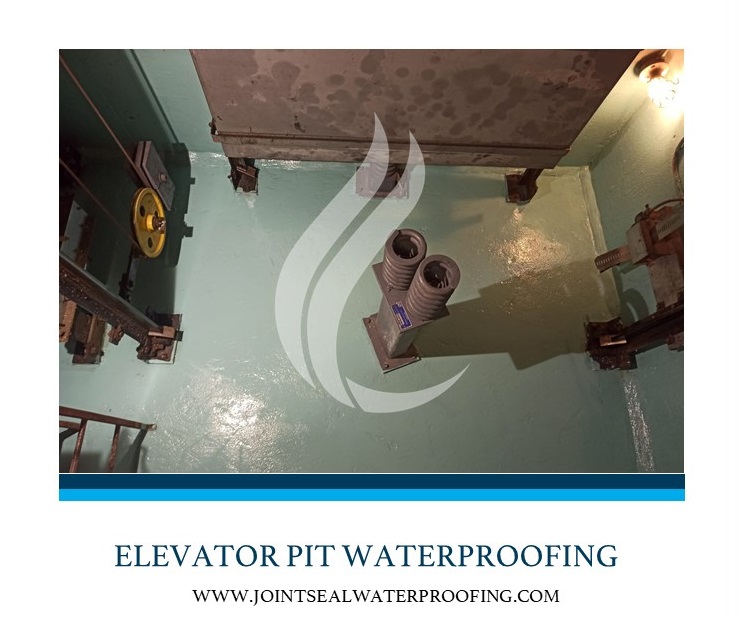
One of the projects completed last week was elevator pit waterproofing done at a mid-rise residential building located on Grandview Way in North York.
Repair Method
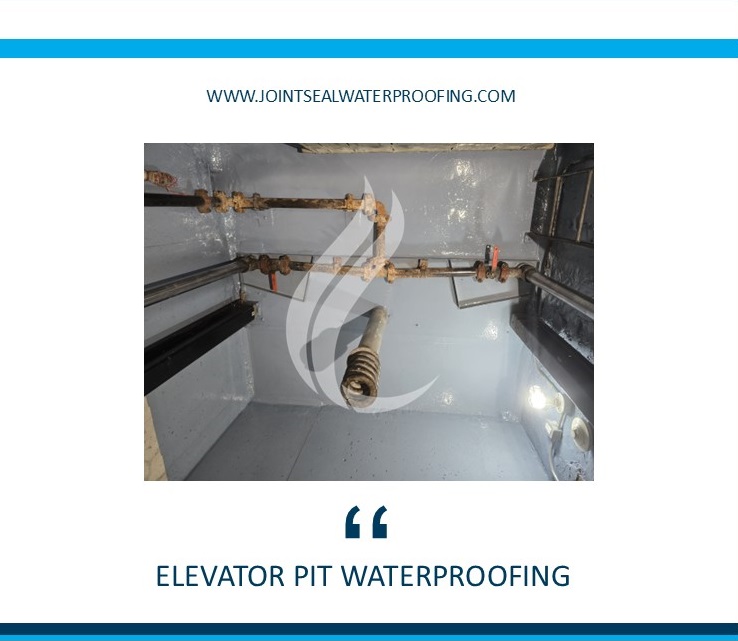
In preparation for the waterproofing membrane installation, the elevator pit was first cleaned, and cracks were repaired. Before the cracks were filled, chipping was done to open them up enough for our waterproofing material to be installed properly. Parging was done next to ensure an even surface and a more durable repair.
Cold joints (a weak area where two concrete slabs meet – wall and floor, in this case) were also waterproofed around then entire pit. This step is extremely important since most of the leaking occurs in this area. A continuous patch, running along the cold joints, was installed at a 45-degree angle, to fully seal them.
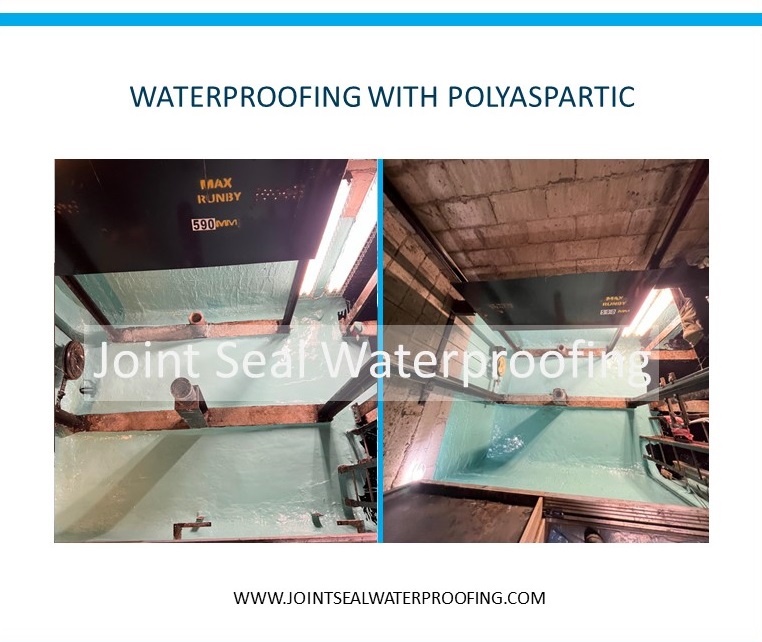
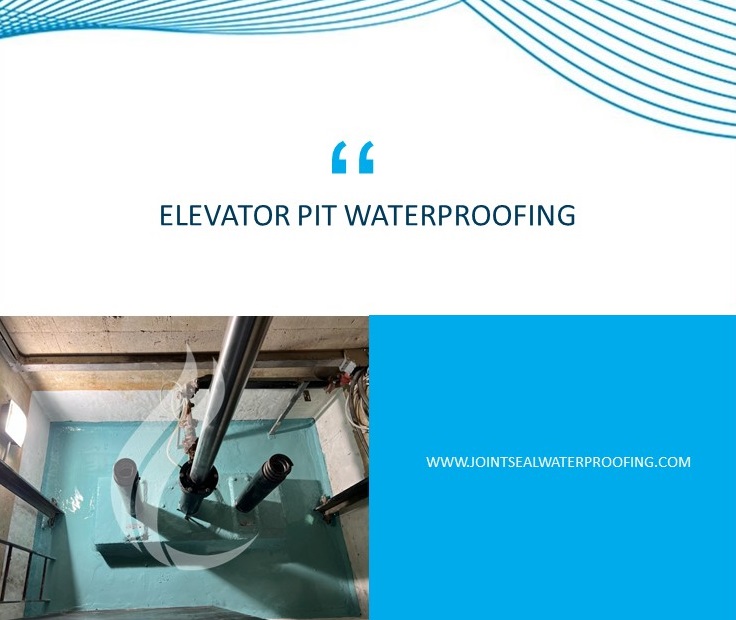
As the final step, polyaspartic coating (with a colour pigment) was applied to provide long-lasting protection – it fully seals any surface it is applied to. In this case, both the floor and part of the were covered with this coating.
Learn more about our repairs and see other examples of our work by vising our page: /elevators
Related: elevator pit waterproofing and cleaning · polyurea membranes · cold joint repair · infrared leak detection · documented projects · common questions
Common questions
Frequently asked questions
Is a block-wall elevator pit worse than a poured concrete one?
A block-wall elevator pit is harder to keep dry than a poured concrete one, because block assemblies have hollow cores and mortar joints that give water more paths through the wall. Poured concrete has a cold joint at the floor and occasional cracks; block has a grid of potential paths. It changes the strategy more than it changes the cost.
Why can't you just seal a block-wall elevator pit completely?
Sealing a block-wall elevator pit completely, where the hydrostatic pressure outside is severe, means that pressure accumulates against the wall indefinitely with nowhere to go. Concrete block is weaker than poured concrete to begin with. The outcome is either rapid degradation of the wall or, at the extreme, the pit walls caving in — so the pressure has to be relieved rather than resisted.
Can you just seal a crack in an elevator pit wall?
You can inject and seal a crack in an elevator pit wall only once you have confirmed the concrete around it is solid. Sealing over a hollow, delaminated area traps water behind it, and in our experience that leads to a larger area needing patching later — every time. The sounding test comes before the decision, not after.
How long should elevator pit waterproofing last?
Properly installed elevator pit waterproofing generally holds around the ten-year mark, and we have had installations run well past five years even on pits where the walls were in poor condition to begin with. The variable is the substrate, not the coating — a pit with sound concrete lasts longer than one where the walls were already frail when we arrived.
Can the TSSA shut down an elevator because of water in the pit?
The TSSA can condemn elevator equipment over water in the pit, and it does not need to catch the pit flooded to do it. Staining on the pit walls showing water has previously reached half a foot to a foot is enough evidence of a history. The equipment usually stays out of service until the pit is waterproofed, and sometimes until the equipment itself is serviced or replaced.
Does the elevator piston housing itself leak?
The piston housing does not leak. It is a fully sealed steel cylinder holding the piston and its oil, and it does not degrade or fail in the way people assume. The water problem is around it, not through it — the void in the ground surrounding the housing fills with groundwater, and that water then rises into the elevator pit.
Related services & repair types